
250 Years of Music That Shaped a Nation – Part Four: America in the Digital Age

A New Century, A New Sound
As the twentieth century came to an end, American music entered a period of transformation unlike anything that had come before. For nearly a century, the recording industry had been built around physical objects: shellac records, vinyl albums, eight-track tapes, cassette tapes, compact discs, and music videos distributed through television. Artists depended on record labels, radio stations, record stores, concert promoters, and professional studios to reach audiences. The internet changed that relationship almost overnight. Music could now travel around the world without a physical product, a radio station, or even a traditional record company. Computers transformed recording studios into increasingly accessible creative environments, while digital audio made it possible for musicians to manipulate sound in ways that earlier generations could hardly have imagined. The twenty-first century did not erase America’s musical traditions; instead, it placed centuries of recorded history into the hands of a new generation. Blues, jazz, soul, rock, country, gospel, funk, disco, punk, rap, and hip-hop could now exist together on the same device. A teenager could listen to Louis Armstrong, Aretha Franklin, The Beatles, Michael Jackson, Tupac Shakur, Beyoncé, Taylor Swift, and a local independent artist within minutes. The boundaries between generations began to collapse, and American music entered an era in which the past and present could exist simultaneously.
The End of the Album Era
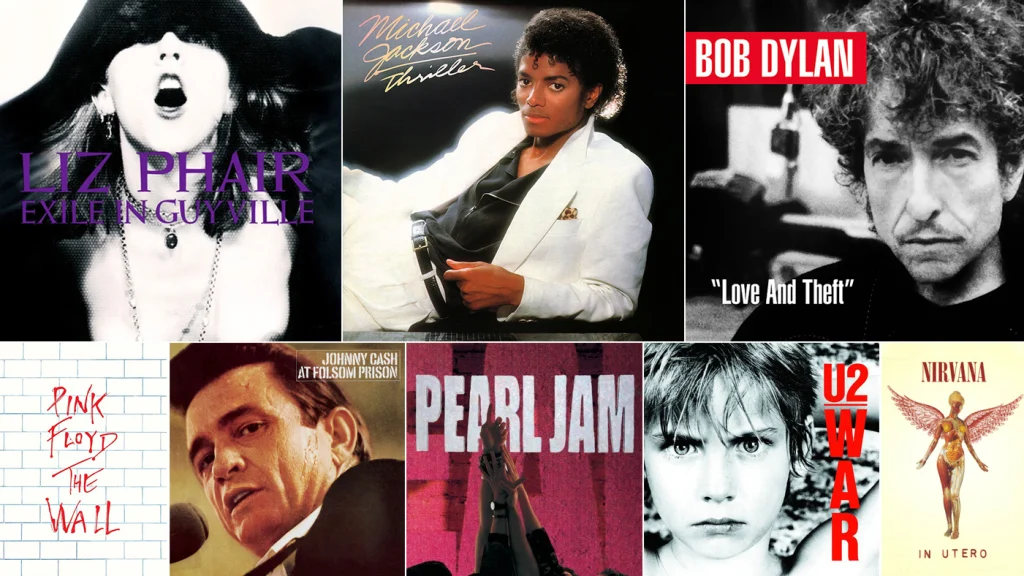
For much of the twentieth century, the album was the central object of musical culture. Listeners purchased records and later CDs containing a collection of songs arranged in a particular sequence. Artists used albums to tell stories, establish artistic identities, and experiment beyond the limitations of individual singles. The album became an artistic statement, a commercial product, and often a cultural event. The digital revolution challenged that model. Individual songs became easier to purchase, download, share, and eventually stream. Listeners no longer had to purchase an entire album to hear one song they loved. They could build their own collections, playlists, and listening experiences. This shift changed how musicians approached songwriting and marketing. A successful single could become more important than an entire album, while artists increasingly competed for attention in an environment where millions of songs were immediately available. Yet the album did not disappear. Instead, it became one format among many, and artists who wanted to create larger artistic statements continued to use it. The difference was that listeners now had unprecedented freedom to decide how they consumed music.
The Rise of Streaming
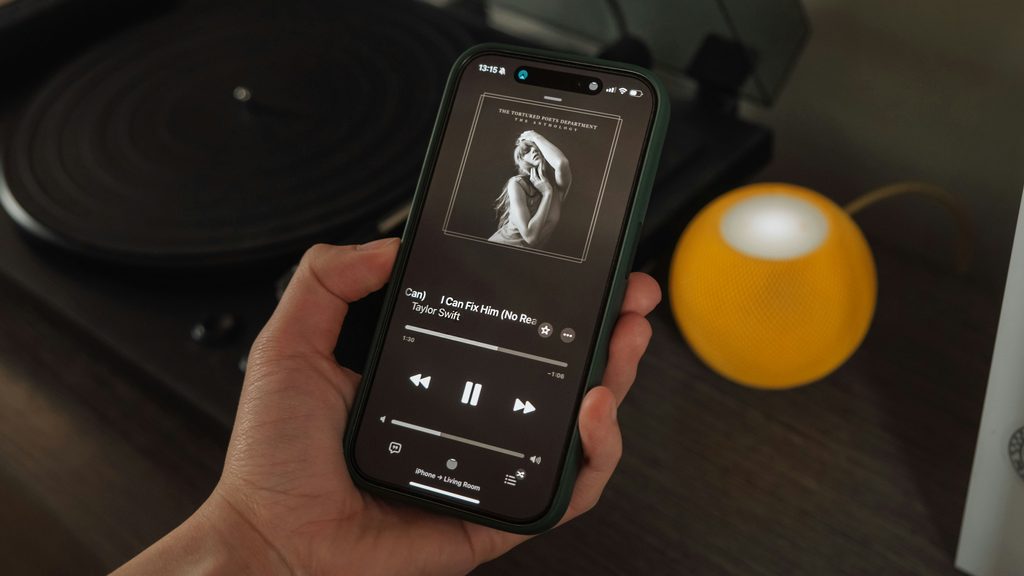
Streaming fundamentally transformed the economics and culture of music. Instead of purchasing individual recordings, listeners could access enormous libraries through subscription services or ad-supported platforms. This development made music more accessible than at any previous point in history. A listener in America could explore traditional Appalachian ballads, Nigerian Afrobeats, Korean pop, Mexican regional music, New Orleans jazz, Detroit techno, and New York hip-hop from the same application. American music became part of a global exchange rather than a one-way export. Streaming also changed what it meant to discover an artist. Radio programmers and record-store employees had once served as important gatekeepers, but algorithms, playlists, social media, and recommendations increasingly influenced what listeners heard. A musician no longer necessarily needed a major record label to find an audience. Independent artists could record songs at home, distribute them digitally, build audiences through social media, and perform for listeners around the world. The barriers to entry became lower, even though competition for attention became more intense.
Social Media Creates a New Kind of Star
The rise of social media transformed the relationship between musicians and their audiences. Earlier generations of artists were often separated from fans by record companies, publicists, magazines, television networks, and radio stations. The internet allowed musicians to communicate directly with listeners. Platforms built around short-form video, livestreaming, and social networking created entirely new pathways to popularity. A song could become successful because listeners used it in thousands or millions of videos, sometimes before a traditional radio station ever played it. A relatively unknown artist could suddenly find an international audience after one performance, recording, dance, or piece of content attracted public attention. This changed the definition of a music career. Artists were increasingly expected not only to sing, write, or perform but also to communicate with audiences, build personal brands, create visual content, and maintain an online presence. The musician became simultaneously an artist, entrepreneur, media personality, and community builder.
Contemporary R&B: A Tradition Continues to Evolve
R&B entered the twenty-first century carrying decades of history. The genre had evolved from rhythm and blues into soul, funk, contemporary R&B, and countless hybrid forms. Modern R&B artists continued to emphasize vocal expression, relationships, intimacy, rhythm, and emotional honesty while incorporating elements of hip-hop, electronic music, pop, jazz, and alternative music. Artists such as Beyoncé, Usher, Alicia Keys, Mary J. Blige, Chris Brown, Frank Ocean, SZA, and many others demonstrated the extraordinary diversity of contemporary R&B. Beyoncé in particular became an example of the modern artist as cultural institution, combining music, visual storytelling, performance, fashion, business, and social commentary into an expansive artistic identity. Contemporary R&B demonstrated that genres do not necessarily disappear as musical culture changes. Instead, they adapt. The emotional foundation established by earlier generations remained recognizable even as production techniques, lyrical subjects, and musical arrangements changed.
Beyoncé and the Modern American Performer
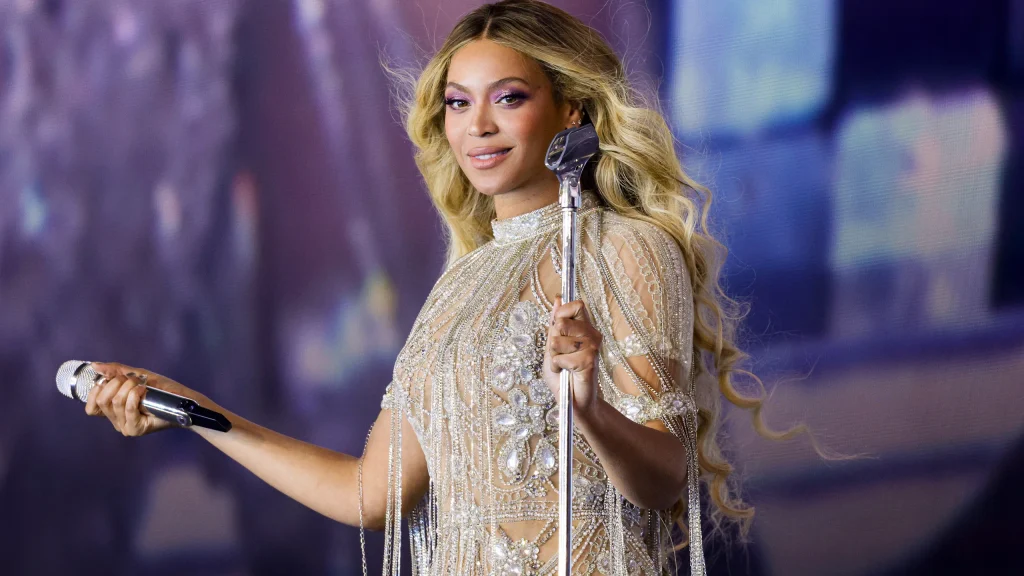
The evolution of Beyoncé’s career illustrates how dramatically the role of the American musician has changed. Beginning as a member of Destiny’s Child and eventually establishing herself as a solo artist, she developed into one of the most influential performers of her generation. Her work draws upon R&B, soul, pop, hip-hop, gospel, country, African musical traditions, and other influences, demonstrating the increasingly fluid nature of contemporary American music. Her performances also reflect the influence of earlier generations of Black entertainers who understood that music could be connected to fashion, dance, visual art, politics, identity, and cultural history. Beyoncé’s career demonstrates how the modern artist can use an album not simply as a collection of songs but as a larger cultural statement. Her work has also contributed to renewed conversations about the African American roots of genres that have sometimes been separated from their historical origins.
Hip-Hop Becomes the Center of Popular Culture
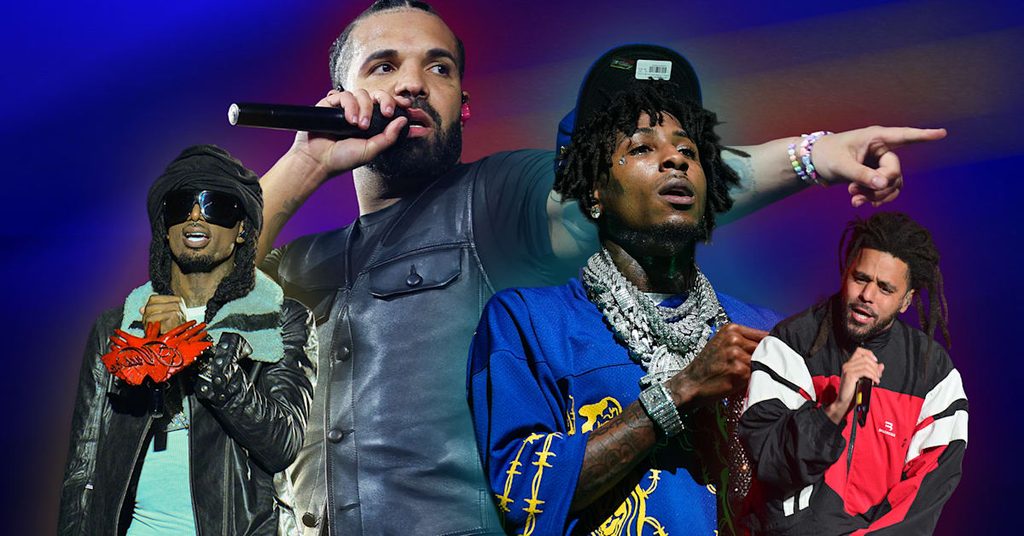
By the twenty-first century, hip-hop had moved from the margins of American popular culture to its center. The music that had begun at neighborhood parties in the Bronx had become one of the world’s most commercially powerful cultural movements. Artists such as Jay-Z, Nas, Eminem, Kanye West, Lil Wayne, Nicki Minaj, Drake, Kendrick Lamar, J. Cole, Cardi B, Megan Thee Stallion, and many others expanded rap’s artistic and commercial possibilities. Hip-hop influenced advertising, fashion, sports, film, television, language, and business. Its vocabulary entered everyday conversation, while its visual style became part of mainstream fashion. Hip-hop’s influence also demonstrated the extraordinary economic creativity of artists who had learned to build brands beyond music. Clothing companies, record labels, technology ventures, liquor brands, entertainment companies, and other businesses became connected to hip-hop entrepreneurs. What had begun as a neighborhood culture became an enormous economic ecosystem.
Kendrick Lamar and the Power of the Story
One of the most significant developments in modern hip-hop has been the return to the idea of the rapper as storyteller, poet, social critic, and historian. Kendrick Lamar represents this tradition with extraordinary depth. His music explores race, family, poverty, violence, faith, identity, success, trauma, and the complicated psychological experience of growing up in America. His work demonstrates that hip-hop can function as both popular entertainment and serious literature. The ability of rap to tell complicated stories has always been one of its greatest strengths, but contemporary artists have pushed that tradition into increasingly ambitious territory. Kendrick’s success demonstrates that audiences are willing to engage with music that demands attention rather than simply providing a catchy chorus. The rapper can still be an entertainer, but the rapper can also be a historian documenting the experiences of a generation.
The Globalization of American Hip-Hop
Hip-hop’s influence eventually became so widespread that it ceased to belong exclusively to the United States. Young musicians throughout the world adopted rap as a tool for expressing local experiences. French rappers addressed immigration and identity. British artists developed distinct forms of grime and UK rap. Artists throughout Africa used hip-hop to discuss politics, poverty, youth culture, and ambition. Latin American artists incorporated rap into Spanish-language music. Asian artists combined hip-hop with local musical traditions. American hip-hop remained enormously influential, but international musicians were no longer simply copying American artists. They were creating new forms that reflected their own societies. This was one of the clearest examples of cultural exchange in modern history. America had exported hip-hop, but the world had transformed it.
Latin Music Becomes Central to the American Sound
One of the most important developments in twenty-first-century American music has been the increasing influence of Latin musical traditions. The United States has always been influenced by the cultures of Mexico, Puerto Rico, Cuba, the Dominican Republic, Central and South America, and other Spanish-speaking communities. Those influences can be heard in jazz, rhythm and blues, rock, salsa, jazz fusion, hip-hop, and pop. In the digital era, however, Latin music moved more visibly into the center of American popular culture. Reggaeton, Latin trap, regional Mexican music, salsa, bachata, cumbia, and other styles reached enormous audiences. Artists such as Bad Bunny demonstrated that Spanish-language music could become a dominant force in the American entertainment marketplace without abandoning its cultural identity. The success of Latin music represents an important development in the history of America because it reflects the changing demographics and cultural complexity of the nation itself.
Country Music Reinvents Itself
Country music has also undergone dramatic transformation. Its roots remain connected to Appalachian ballads, folk music, blues, gospel, Western traditions, and working-class storytelling, but contemporary country increasingly incorporates rock, pop, R&B, hip-hop, and electronic production. Artists such as Dolly Parton, Willie Nelson, Johnny Cash, Garth Brooks, Shania Twain, Carrie Underwood, Chris Stapleton, Luke Combs, and Taylor Swift represent different stages of country music’s evolution. Country’s enduring appeal lies partly in its ability to tell stories about ordinary life: family, love, heartbreak, work, faith, travel, home, and loss. Yet the genre has never been as isolated from other forms of American music as its image sometimes suggests. Blues musicians influenced early country performers, Black musicians contributed to the development of country traditions, and modern country artists continue to borrow from genres across the musical spectrum. Country music remains one of America’s most important storytelling traditions because it continues to adapt while maintaining its connection to narrative.
Taylor Swift and the New Pop Economy
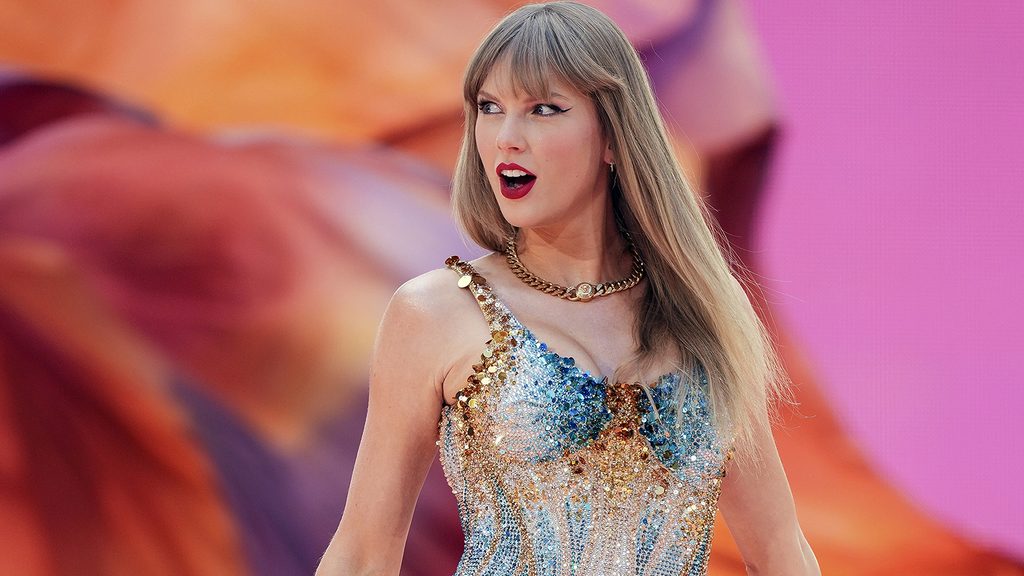
The career of Taylor Swift provides another example of how American music has evolved. Beginning with country influences and gradually expanding into pop, folk, alternative, and other styles, Swift has built a career around songwriting, storytelling, reinvention, and an unusually direct relationship with her audience. Her success also illustrates the changing economics of modern music. In an era dominated by streaming and social media, artists can maintain enormous relationships with fans while controlling significant portions of their public identities and commercial ecosystems. Swift’s career demonstrates that songwriting remains central even as the music industry changes around it. Her ability to move between genres also reflects a broader reality: contemporary American listeners are less concerned with rigid musical categories than previous generations may have been. A song can contain country guitars, electronic production, hip-hop rhythms, folk storytelling, and pop melodies without needing to belong completely to one category.
Electronic Music and the Machine
Technology did more than change how Americans listened to music. It changed how music itself was created. Electronic instruments, synthesizers, drum machines, samplers, digital audio workstations, and computer-based production transformed the recording studio into an increasingly flexible creative environment. American electronic music developed through scenes in cities such as Detroit, Chicago, New York, and Los Angeles. Detroit techno and Chicago house became particularly influential, demonstrating how African American and urban communities could use emerging technology to create entirely new forms of dance music. These sounds eventually influenced global electronic music, pop, hip-hop, R&B, and contemporary club culture. The relationship between technology and music has always been part of American history, from the invention of recording technology to electric guitars and radio. The digital era simply accelerated the process.
Rock Refuses to Disappear
Rock music experienced significant changes in the twenty-first century, but it never completely disappeared. Alternative rock, indie rock, garage rock, metal, punk, and numerous hybrid forms continued to attract devoted audiences. New artists borrowed from the past while incorporating modern production and influences from hip-hop, electronic music, pop, and other genres. The history of rock demonstrates another recurring pattern in American music: genres may lose their position at the center of commercial culture without losing their artistic importance. Rock no longer dominates American popular music in the same way it did during the 1950s, 1960s, 1970s, and 1980s, but its influence remains everywhere. Its guitars, rhythms, attitudes, performance styles, and rebellious spirit continue to shape contemporary music.
Gospel Still Speaks
While secular music continued evolving, gospel remained one of America’s most enduring musical traditions. Churches throughout the country continued to serve as important centers of musical education, vocal development, community, and cultural identity. Gospel influenced contemporary R&B, soul, hip-hop, pop, and even country music. The emotional characteristics of gospel—powerful vocals, harmonies, call and response, repetition, and collective participation—remain deeply embedded in American music. From the earliest spirituals to contemporary worship music, the tradition demonstrates how religious music can influence secular culture without losing its own identity. Gospel also reminds America that music has always served purposes beyond entertainment. It can provide comfort, community, healing, and hope.
The Continuing Influence of the Blues
The blues remains another essential foundation. Although modern audiences may not always recognize it, the blues can be heard throughout rock, country, R&B, jazz, and hip-hop. Its twelve-bar structures, expressive vocal techniques, guitar language, lyrical themes, and emotional honesty continue to influence musicians. The blues represents something fundamental about American music: the ability to transform hardship into creativity. The genre emerged from a history of oppression and economic struggle, yet it became one of the foundations upon which the world’s modern popular music was built. Every time a contemporary artist bends a guitar note, sings about heartbreak, or transforms personal suffering into art, some element of the blues tradition is still present.
Music, Identity and the American Experience
American music has always been connected to questions of identity. Who are we? Where do we come from? What does freedom mean? Who gets to be heard? What does success look like? What does it mean to belong? These questions have appeared repeatedly throughout the nation’s musical history. Indigenous traditions expressed relationships to land, community, and ancestry. Spirituals expressed faith and hope under oppression. Blues expressed survival. Jazz expressed freedom through improvisation. Rock expressed youthful rebellion. Soul expressed dignity and social consciousness. Hip-hop expressed neighborhood identity and the demand to be heard. Country expressed home, work, family, and rural life. Pop transformed individual stories into mass cultural experiences. American music has therefore functioned as a conversation about identity for 250 years.
The Democratization of Music
Perhaps the greatest technological change of the modern era is the democratization of music creation. A musician no longer necessarily needs a traditional recording studio, major record label, expensive equipment, or a powerful industry connection to create and distribute a song. Affordable computers and digital tools allow individuals to record vocals, produce beats, edit performances, and distribute music globally. This does not guarantee success, because the enormous amount of available music makes competition for attention intense, but it has fundamentally changed who can participate. The gatekeepers still exist, but they no longer control every doorway. A teenager recording music in a bedroom can potentially reach listeners on the other side of the world. That possibility represents one of the most significant cultural changes in American music history.

Artificial Intelligence and the Next Musical Frontier
As America moves deeper into the twenty-first century, artificial intelligence is beginning to introduce another profound transformation. AI-assisted tools can help musicians generate musical ideas, analyze recordings, create sounds, assist with production, and experiment with new forms of composition. At the same time, these technologies raise complicated questions about creativity, authorship, copyright, artistic identity, and the role of human musicians. The history of American music suggests that technological change is nothing new. Radio changed music. Electric amplification changed music. Multitrack recording changed music. Sampling changed music. Digital production changed music. Streaming changed music. Artificial intelligence represents another chapter in that continuing story. The important question may not be whether technology will change music, but how musicians will use technology while preserving the human experiences that give music its meaning.
America’s Music Becomes the World’s Music
Over 250 years, American music has traveled farther than the people who created it could ever have imagined. Jazz clubs exist in cities around the world. Blues festivals attract international audiences. Rock bands from multiple continents continue to draw inspiration from American pioneers. Hip-hop has become a global language. American pop stars perform before audiences numbering in the hundreds of thousands. Country music has found audiences far beyond its traditional geographic boundaries. R&B, gospel, funk, and soul have influenced musicians on every continent. Yet the globalization of American music has never been a one-way process. American musicians themselves increasingly draw from international traditions. African rhythms influence hip-hop and pop. Caribbean sounds influence R&B and dance music. Latin traditions shape mainstream American music. Asian musical ideas increasingly appear in contemporary production. The modern American soundtrack is therefore becoming more global even as it remains rooted in centuries of domestic history.
The Meaning of 250 Years
Two hundred and fifty years of American history cannot be contained in a single song, genre, artist, or generation. The country’s music is too diverse, too complicated, and too deeply connected to the experiences of millions of people. Yet when viewed as a whole, the story becomes remarkably clear. American music has always been created through interaction. Indigenous traditions, European melodies, African rhythms, Caribbean influences, Latin American traditions, immigrant cultures, religious music, regional folk traditions, and technological innovations have continuously met and produced something new. Sometimes that exchange happened voluntarily. Sometimes it occurred under circumstances of exploitation and oppression. Sometimes it happened through migration, commerce, neighborhoods, churches, clubs, radio, television, or technology. But it happened constantly.

![Bruno Mars - Dance With Me [Official Music Video]](https://solismagazine.com/wp-content/uploads/2026/10/Bruno-Mars-370x206.jpg)