

250 Years of American Movies: The History, Evolution, and Cultural Impact of American Cinema

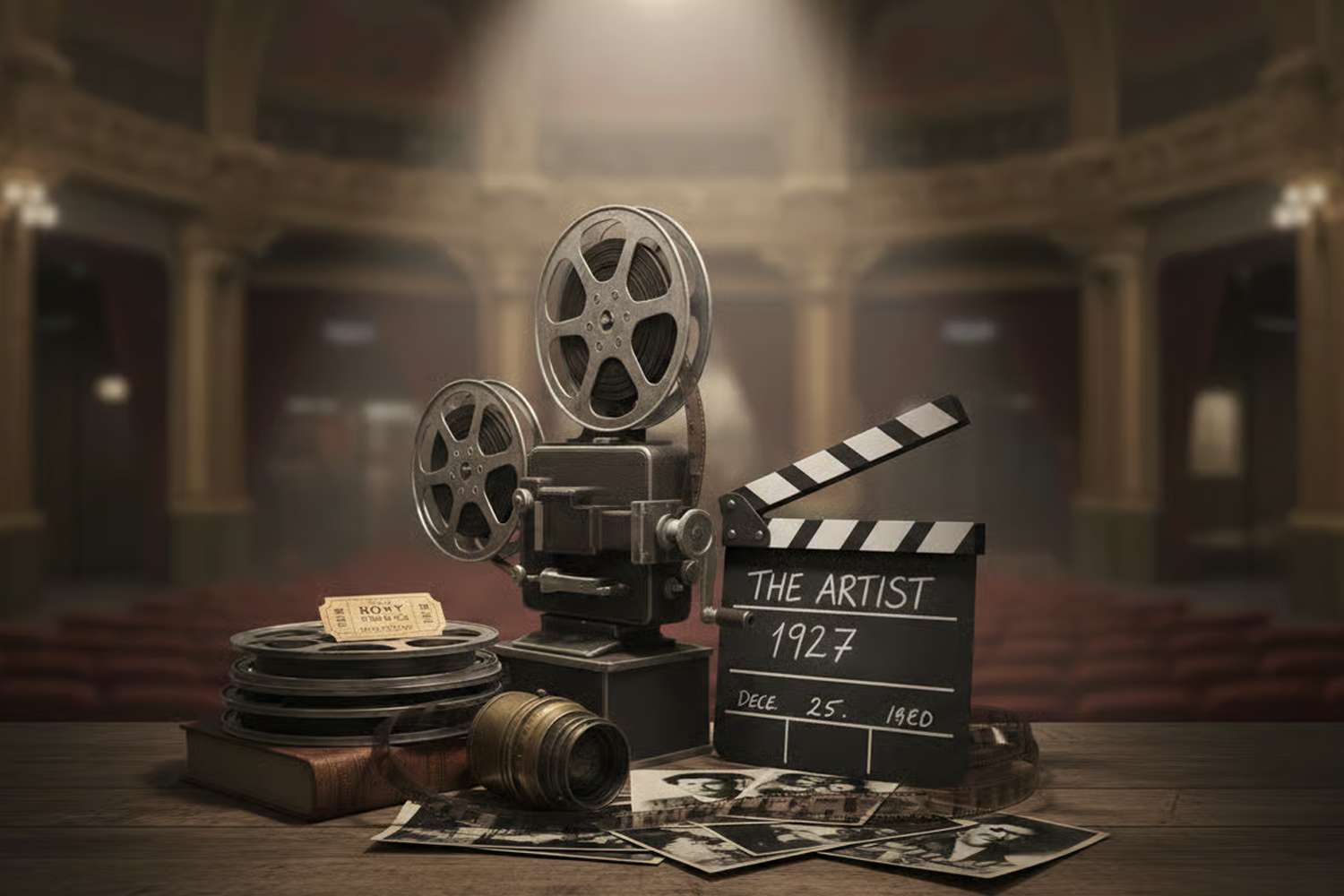
Introduction: Two Hundred and Fifty Years of American History Through the Movies
The history of American movies is one of the most remarkable stories of artistic invention, technological progress, cultural transformation, and commercial ambition in modern history. As the United States celebrates the 250th anniversary of the Declaration of Independence in 2026, it is an opportunity to examine how American cinema developed alongside the nation itself, reflecting its dreams, contradictions, struggles, achievements, and changing understanding of the American experience. Although motion pictures did not exist when the Declaration of Independence was signed in 1776, the traditions that eventually made cinema possible were already present in the country’s theatrical performances, public entertainments, paintings, illustrations, storytelling traditions, and fascination with technological innovation. Over the following centuries, those influences would combine with photography, mechanical engineering, electricity, and scientific experimentation to create a new art form capable of bringing stories to life through moving images. American cinema would eventually become one of the country’s most influential cultural exports, reaching audiences across continents and helping shape the way generations of people understood romance, adventure, family, freedom, justice, wealth, celebrity, and the meaning of the American Dream.
From the earliest experiments with moving images in the nineteenth century to the enormous Hollywood productions and streaming releases of the twenty-first century, American filmmaking has continually reinvented itself in response to technological developments and changes in society. The silent films of the early twentieth century established the visual language of cinema, while the arrival of synchronized sound transformed movies into a more immersive storytelling experience. Hollywood’s studio system created an international entertainment industry built around stars, directors, elaborate productions, and carefully managed distribution networks, while later generations of independent filmmakers challenged traditional storytelling conventions and introduced audiences to more personal, complicated, and unconventional stories. The introduction of television, home video, computer-generated imagery, digital filmmaking, and online streaming repeatedly changed the way Americans watched movies and how studios produced and distributed them. Throughout these transformations, cinema has remained a powerful reflection of the country’s cultural identity, recording both the stories Americans have told about themselves and the realities they have sometimes struggled to acknowledge. The following ten chapters explore the evolution of American movies, from the entertainment traditions that preceded cinema to the uncertain but exciting future of filmmaking in a rapidly changing digital world.
Chapter 1: Before the Movies — The Visual Imagination of Early America
When the United States declared its independence in 1776, entertainment was experienced through live performances, music, storytelling, printed illustrations, public celebrations, and other forms of visual and theatrical expression rather than through recorded moving pictures. Colonial communities gathered to hear musicians, watch performers, attend religious and civic events, and share stories that preserved local traditions and communicated ideas about the world around them. Theater had already developed into an important form of entertainment in many parts of the Atlantic world, although its presence in colonial America was uneven and sometimes controversial because certain religious communities opposed theatrical performances. After independence, American cities gradually developed more substantial cultural institutions, including theaters, museums, exhibition halls, and public spaces where audiences could experience dramatic performances and other forms of entertainment. These early traditions helped establish a public appetite for stories that combined spectacle, emotion, humor, and recognizable human experiences. Although these performances were fundamentally different from movies, they introduced many of the principles that would later become central to filmmaking, including dramatic structure, visual composition, character development, costumes, scenery, and the ability to transport an audience into an imagined world.
During the nineteenth century, American entertainment became increasingly connected to technological invention and the public fascination with scientific discoveries. Magic lantern shows, which used illuminated images projected through lenses onto screens or walls, allowed performers to present illustrated stories to audiences in theaters, lecture halls, churches, and traveling exhibitions. Some shows featured historical events, religious narratives, comic illustrations, or scenes from distant places, while others used lighting effects and changing images to create the impression of movement. These performances demonstrated that audiences could be captivated by images projected onto a surface, particularly when the images were combined with narration, music, and dramatic presentation. Photography also transformed visual culture by making it possible to record recognizable images of people, buildings, landscapes, and important events. Portrait photography became increasingly accessible, and photographs offered a new way to preserve family histories and document the changing nation. As photographic technology advanced, inventors began investigating whether a series of individual images could be displayed quickly enough to create the illusion of movement, a development that would eventually lead directly to motion pictures.
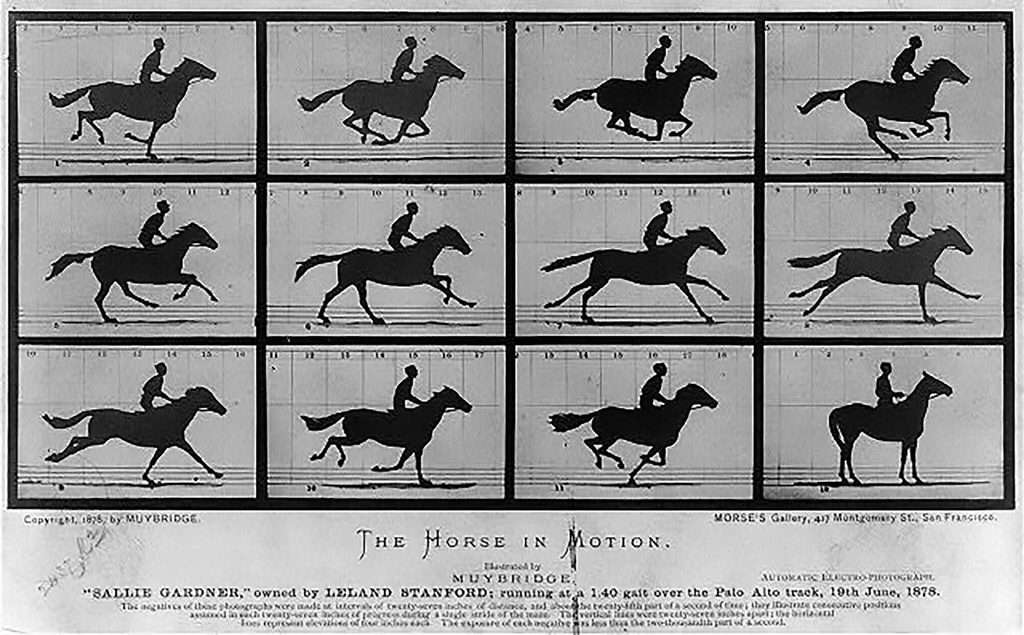
The scientific pursuit of motion photography gained momentum during the second half of the nineteenth century, when researchers explored the relationship between individual images and the human eye’s perception of continuous movement. One of the most important figures in this development was Eadweard Muybridge, whose photographic experiments in the 1870s and 1880s captured successive stages of animal and human movement. His studies helped demonstrate that photography could reveal movements too rapid or subtle for ordinary observation, and they influenced artists, scientists, and inventors who were interested in representing motion accurately. Other inventors developed devices that displayed sequences of images through spinning discs, rotating cylinders, or mechanical arrangements that created the appearance of movement. These devices were not motion-picture cameras in the modern sense, but they established important principles for the medium that was emerging. Improvements in flexible photographic film and mechanical equipment eventually made it possible to capture successive images on a continuous strip of material, allowing motion to be recorded and reproduced more efficiently. By the late nineteenth century, the scientific foundations of cinema were beginning to take shape, and the United States was becoming one of the central locations where inventors and entrepreneurs sought to transform moving-image experiments into a new form of public entertainment.
Chapter 2: The Birth of Motion Pictures in America
The emergence of American motion pictures during the late nineteenth century was the result of collaboration and competition among inventors, photographers, engineers, entrepreneurs, and entertainers who recognized the potential of recorded movement. Thomas Edison, already famous for his work on electrical technology and sound recording, became associated with the development of motion-picture equipment through the work of his laboratory team, including William Kennedy Laurie Dickson. Their experiments produced the Kinetograph, a motion-picture camera designed to record successive photographic images, and the Kinetoscope, a viewing device that allowed one person at a time to watch a short film through an eyepiece. The Edison laboratory’s work was an important step in establishing motion pictures as a commercial technology, although the broader development of cinema involved many inventors in the United States and abroad. In the early 1890s, demonstrations of the Kinetoscope attracted attention because they offered audiences something that had previously seemed almost impossible: the ability to watch recorded human activity and movement as if a tiny window had opened into another moment. Early films often depicted everyday scenes, performers, athletes, dancers, and brief comic actions, providing a glimpse of the possibilities of a medium that was still in its infancy.
The first commercial motion-picture exhibitions in the United States were modest in scale, but they quickly attracted public curiosity. Kinetoscope parlors appeared in major cities during the mid-1890s, allowing customers to pay a small fee to view individual films through separate machines. These establishments differed from modern movie theaters because they did not generally offer a large projected image to an entire audience, but they established an early business model in which moving pictures became a paid public attraction. As interest grew, inventors and exhibitors began exploring projection systems that could display films on a screen for groups of people, making the experience more social and potentially more profitable. Projected motion pictures changed the relationship between audiences and the medium because spectators could react together, laugh at the same comic scene, and experience the same dramatic moment simultaneously. The introduction of projection also helped transform cinema from a technological novelty into a public entertainment industry. Traveling exhibitors brought films to theaters, vaudeville houses, fairs, and temporary venues, where moving pictures appeared alongside live performers and other attractions. These early screenings demonstrated that motion pictures could appeal to people from many different backgrounds, creating the foundation for a mass entertainment culture that would expand dramatically in the twentieth century.
As the new century approached, filmmakers began moving beyond simple recordings of everyday activity and experimenting with narrative storytelling, editing, staging, and visual effects. One important early American film was Edwin S. Porter’s The Great Train Robbery, released in 1903, which used multiple scenes to tell a connected story about a train robbery and its aftermath. The film helped popularize techniques that would become fundamental to narrative cinema, including cutting between different locations and arranging individual shots to create a sense of action and progression. Although its storytelling methods were still developing, the film demonstrated that motion pictures could do more than reproduce events; they could construct fictional worlds and guide audiences through a dramatic sequence. During the same period, small storefront theaters known as nickelodeons began appearing in American cities, often charging five cents for admission. Their popularity helped expand moviegoing among working-class audiences and immigrant communities, who could enjoy short films without the expense associated with more elaborate forms of entertainment. As demand increased, producers made more films, exhibitors sought larger audiences, and entrepreneurs invested in new facilities and equipment. The American motion-picture business was moving from scattered experiments toward a coordinated industry, and the next stage of its development would be shaped by the growth of Hollywood and the rise of the movie star.
Chapter 3: The Silent Screen and the Creation of Hollywood
The silent-film era transformed motion pictures into one of the most popular forms of entertainment in the United States, establishing many of the artistic conventions, production practices, and celebrity traditions that still influence the film industry. During the early twentieth century, filmmakers gradually developed more sophisticated techniques for using camera movement, close-ups, editing, lighting, scenery, and physical performance to communicate stories without synchronized spoken dialogue. Intertitles provided essential information or dialogue when necessary, but actors also relied on facial expressions, gestures, timing, and body language to convey emotions and relationships. Music played an important role in the theatrical experience, with pianists, organists, or larger ensembles accompanying screenings according to the resources available at individual theaters. Some cinemas offered elaborate musical performances and luxurious surroundings, while smaller neighborhood venues provided more modest entertainment. Despite these differences, silent films reached audiences across language barriers because visual storytelling could communicate emotions and dramatic situations without requiring viewers to understand spoken English. This international accessibility helped American filmmakers build audiences abroad and contributed to the growing influence of American movies around the world.
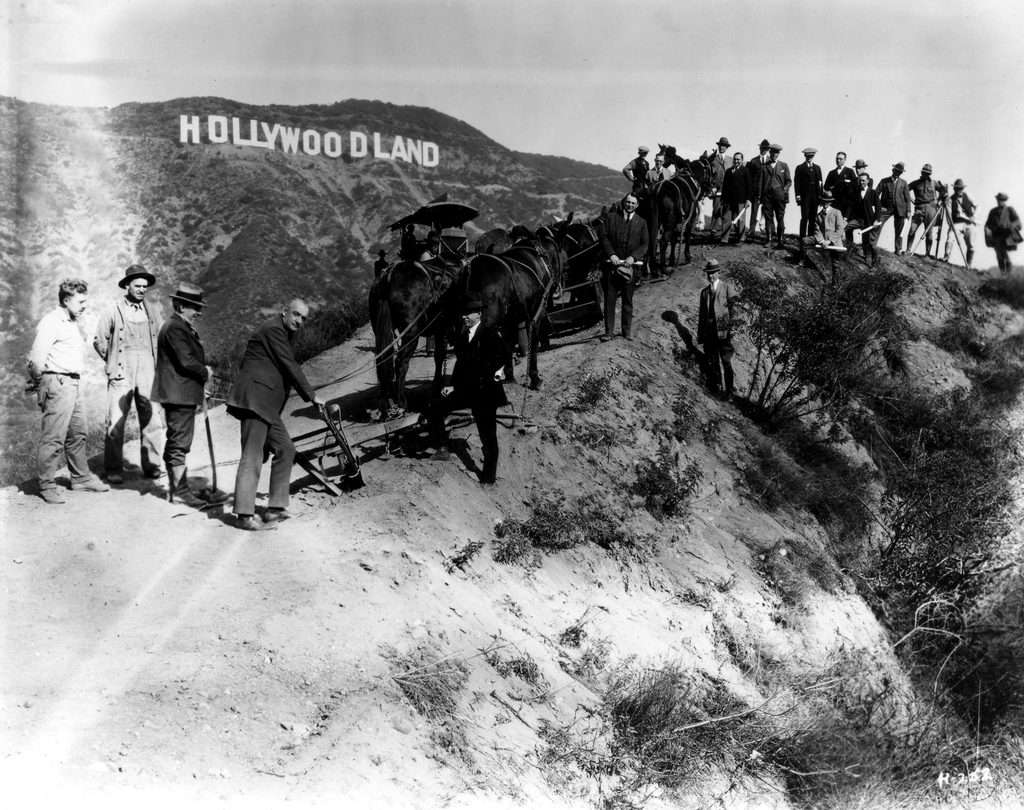
The rise of Hollywood as the center of American filmmaking resulted from a combination of business strategy, geography, technological opportunity, and the industry’s search for greater control over production. Southern California offered varied landscapes, abundant sunshine, and locations that could represent deserts, small towns, mountains, farmland, and urban environments within a relatively manageable distance. These conditions allowed filmmakers to work outdoors for much of the year and to produce films with different settings without traveling across the country. The region also offered room for expanding studios, workshops, backlots, and production facilities as demand for movies increased. During the 1910s and 1920s, companies established increasingly organized production operations, bringing actors, directors, writers, cinematographers, designers, editors, and technical workers together within a growing industrial system. Major companies developed recognizable styles and business identities, while distribution networks carried their films to theaters throughout the United States and abroad. Hollywood gradually became synonymous with movie production itself, even as filmmaking continued in other parts of the country and around the world. Its growth established a powerful relationship between creative storytelling and industrial organization, with studios seeking both artistic success and predictable commercial returns.
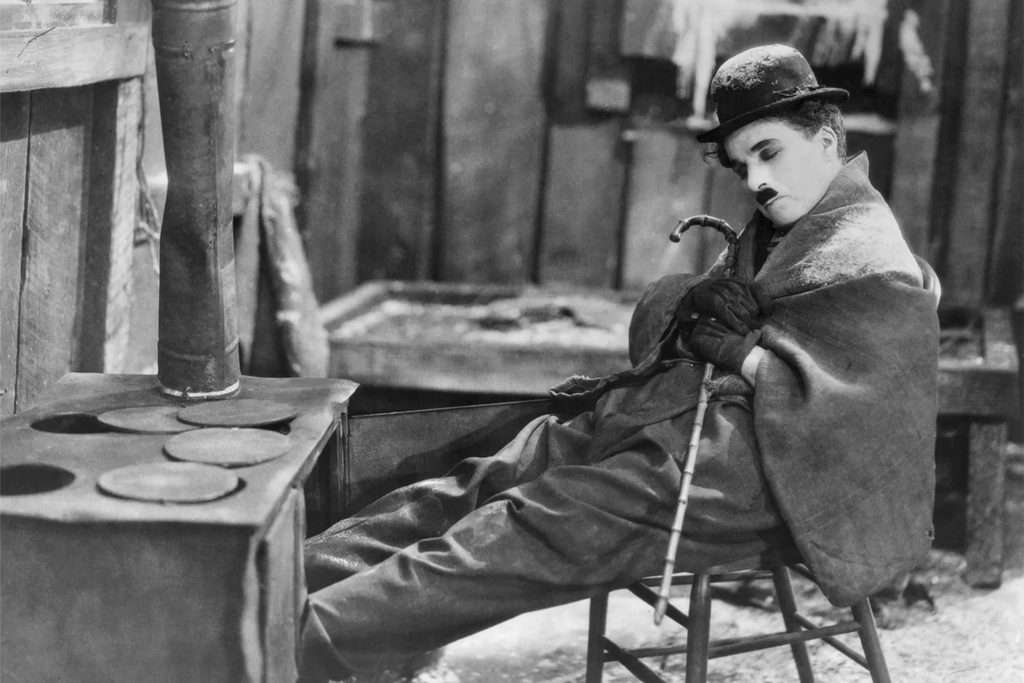
Silent cinema also created the modern movie star, turning performers into internationally recognized public figures whose appearances and personalities helped sell films. Mary Pickford became one of the most influential stars of the era, admired for performances that often combined innocence, emotional sincerity, and determination. Charlie Chaplin developed an enduring comic character whose physical humor and social observations made him famous across national boundaries, while Buster Keaton became celebrated for his precise timing, daring physical comedy, and remarkable visual ingenuity. Douglas Fairbanks became associated with athletic adventure and heroic roles, helping establish the appeal of large-scale swashbuckling entertainment. These performers were not simply actors appearing in stories; they became central to the marketing of movies, with their names, images, and public reputations encouraging audiences to return to theaters. The star system also helped transform celebrity culture by connecting performers’ screen identities with newspaper coverage, fan magazines, publicity photographs, and public appearances. At the same time, the silent era was not limited to light entertainment. Filmmakers explored melodrama, social commentary, historical epics, crime stories, westerns, and experimental visual styles, demonstrating the range of subjects that cinema could address. By the late 1920s, American movies had become a major commercial and cultural force, but the arrival of synchronized sound would soon change almost every aspect of filmmaking.
Chapter 4: Sound, Color, and Hollywood’s Golden Age
The introduction of synchronized sound at the end of the 1920s marked one of the most significant turning points in the history of American cinema. Although earlier inventors had experimented with systems that combined moving images and recorded sound, practical synchronization remained difficult, and silent films continued to dominate theaters for decades. The commercial success of The Jazz Singer in 1927 helped demonstrate the audience appeal of synchronized speech and music, accelerating the industry’s transition toward sound production. The change required studios to invest in new recording equipment, modify stages, reconsider camera placement, and adapt acting and directing techniques to a medium in which spoken dialogue became central to storytelling. Some performers whose voices or speaking styles did not suit the new format struggled to maintain their careers, while actors with strong voices and stage experience found new opportunities. Screenwriters also gained greater importance as dialogue became an essential element of characterization, comedy, romance, and drama. Musical films, gangster pictures, sophisticated comedies, and dialogue-driven dramas flourished, while the sound era expanded the possibilities for using songs, sound effects, and orchestral scores to shape the audience’s emotional response.
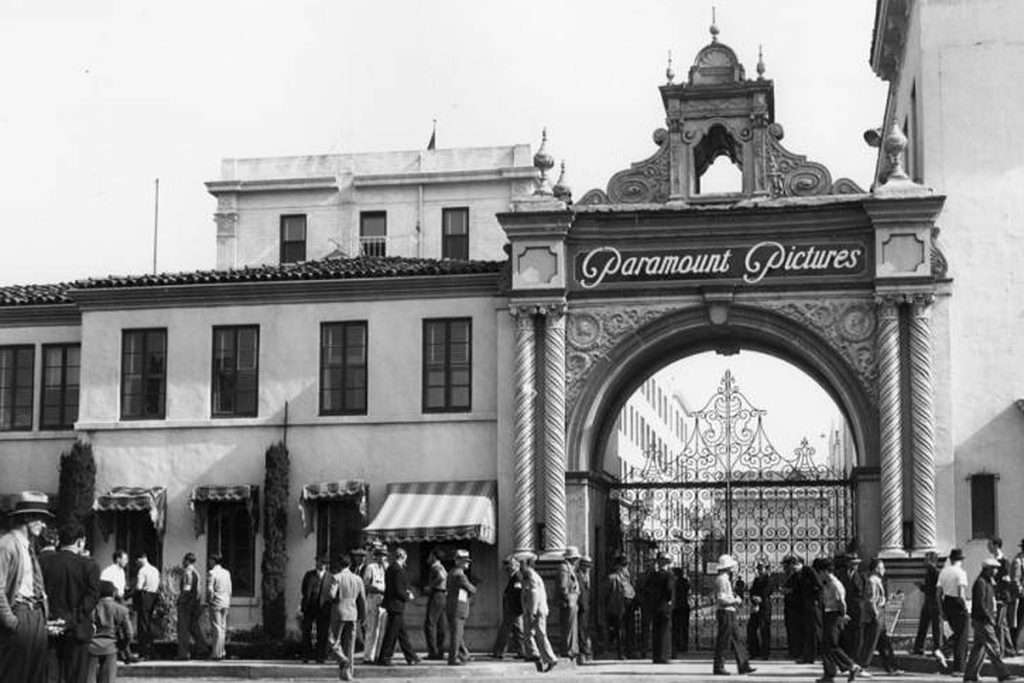
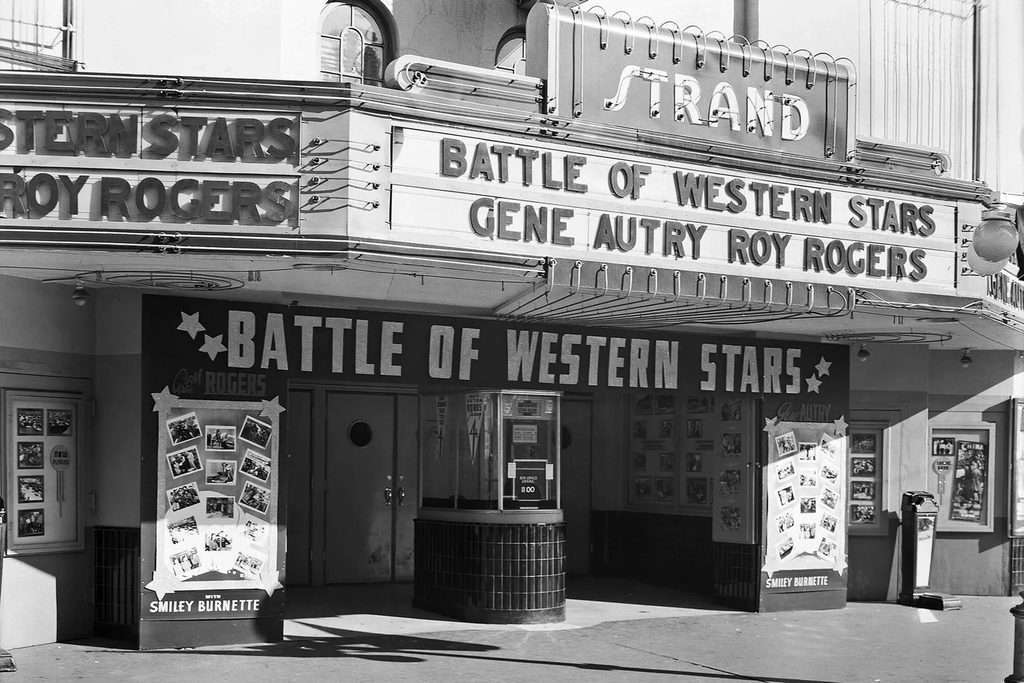
During the 1930s and 1940s, Hollywood developed what is commonly known as its Golden Age, a period associated with powerful studios, recognizable stars, highly organized production systems, and a broad range of popular genres. Major companies such as Metro-Goldwyn-Mayer, Warner Bros., Paramount, 20th Century Fox, and RKO maintained production facilities, employed large groups of creative and technical workers, and developed extensive distribution and exhibition relationships. The studio system made it possible to produce films at a remarkable pace, with individual companies managing actors’ contracts, selecting scripts, assigning directors, controlling publicity, and arranging releases. The resulting films included lavish musicals, romantic comedies, crime dramas, westerns, horror films, historical epics, and literary adaptations. Stars such as Humphrey Bogart, Bette Davis, Katharine Hepburn, Cary Grant, James Stewart, Judy Garland, and many others became familiar to audiences who followed their careers across multiple productions. Directors also developed distinctive reputations, while cinematographers, editors, costume designers, composers, and production designers helped establish the polished visual and musical style associated with classical Hollywood filmmaking. Although the system could restrict creative independence and place considerable pressure on performers, it produced an enormous body of work that shaped international expectations of what a commercial movie could be.
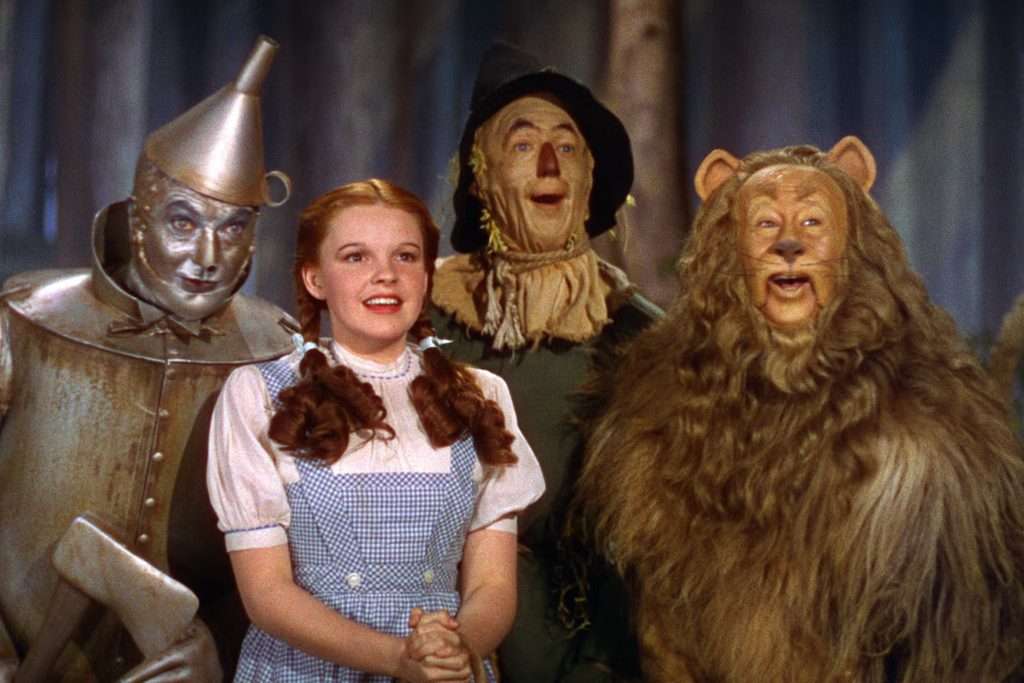
Color technology further expanded the visual appeal of American cinema, gradually moving the industry beyond the black-and-white imagery that had dominated earlier production. Technicolor became particularly associated with elaborate musicals, fantasy films, and productions designed to showcase striking costumes, elaborate scenery, and rich visual environments. Films such as The Wizard of Oz and Gone with the Wind, both released in 1939, demonstrated the dramatic and commercial possibilities of color, although black-and-white filmmaking continued to be used for artistic, practical, and economic reasons. Meanwhile, the Great Depression influenced the kinds of stories audiences sought from the movies, with comedies, musicals, romances, and adventures offering escape from the hardships of everyday life while other films addressed inequality, corruption, labor, and social change. During World War II, American cinema became closely connected to the national war effort through documentaries, newsreels, propaganda productions, and fictional stories that supported military morale and presented different interpretations of the conflict. The war also altered the industry’s workforce and creative priorities, while Hollywood’s international reach made American films an important part of the broader cultural landscape. Yet the Golden Age was not equally welcoming to everyone. Black performers frequently faced stereotyped roles and limited opportunities, and many other communities found their experiences marginalized or misrepresented. Even so, Black artists and filmmakers continued working to create more authentic representations, and figures such as Oscar Micheaux had already demonstrated that African American filmmakers could build independent careers outside the dominant studio system.
Chapter 5: Television, Social Change, and the End of the Old Hollywood System
After World War II, American cinema entered a period of major transition as changing social conditions, legal decisions, and new forms of entertainment challenged the dominance of the traditional Hollywood studio system. During the 1940s and 1950s, television became increasingly common in American households, offering audiences convenient access to news, comedy, drama, sports, and entertainment without requiring a trip to the movie theater. As television ownership expanded, movie attendance declined from the extraordinary levels reached during the industry’s earlier decades, forcing studios and theater owners to rethink their business strategies. Hollywood responded with wider screens, improved sound systems, spectacular color productions, and large-scale historical epics designed to offer experiences that television could not easily reproduce at home. Widescreen formats and elaborate presentation techniques made moviegoing feel like a special event, while studios invested in stories involving enormous landscapes, impressive sets, large casts, and dramatic visual spectacle. At the same time, changes in antitrust law and the dismantling of important studio-controlled theater arrangements weakened the integrated business model that had helped major companies dominate production, distribution, and exhibition. The traditional studio system did not disappear overnight, but its control over actors, directors, and the distribution of films became less absolute, creating opportunities for new production arrangements and more independent creative decisions.
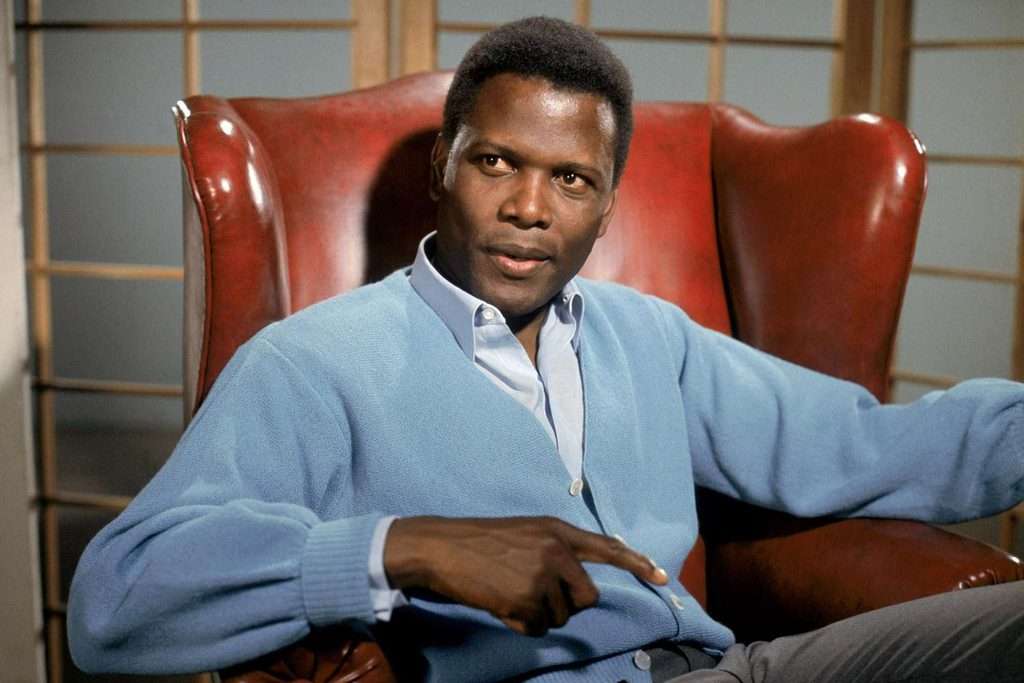
The social transformations of the 1950s and 1960s also changed the subjects American movies explored and the kinds of characters audiences expected to see on screen. The civil rights movement challenged racial segregation and discrimination throughout American society, raising urgent questions about representation, equality, and whose stories were considered worthy of being told. Hollywood’s record remained uneven, as Black actors often encountered limited roles and stereotypical portrayals, but performers such as Sidney Poitier helped expand the visibility of Black talent in major studio productions. Poitier’s success demonstrated that a Black actor could lead commercially successful films and portray characters with intelligence, dignity, and emotional complexity, even while the industry continued to struggle with structural barriers. Other filmmakers and performers worked outside mainstream Hollywood to create stories that challenged established assumptions about race, identity, and social power. Meanwhile, the changing roles of women, growing youth culture, political protest, and increasing public discussion of sexuality and personal freedom influenced the themes of American filmmaking. Directors began exploring alienation, rebellion, moral uncertainty, and generational conflict with a frankness that would have been difficult under earlier production rules. The old image of American life as uniformly prosperous and orderly increasingly competed with stories that acknowledged discrimination, violence, family instability, and the difficulty of reconciling national ideals with lived experience.
One of the most important changes of this period was the introduction of the Motion Picture Association of America film-rating system in 1968, which replaced the earlier Production Code framework that had governed much of Hollywood’s treatment of subjects such as sexuality, violence, and morality. The Production Code had encouraged studios to avoid or restrict certain kinds of material, shaping the tone and content of mainstream films for decades. As cultural attitudes changed, filmmakers and audiences increasingly questioned whether those restrictions reflected contemporary life or prevented movies from examining complex subjects honestly. The new ratings system allowed studios to classify films according to their suitability for different audiences, giving filmmakers greater flexibility to explore mature themes while providing viewers with guidance about content. This transition helped create space for a new generation of directors who were interested in psychological realism, unconventional storytelling, morally complicated characters, and a less idealized view of American society. As the 1960s ended, Hollywood faced economic uncertainty, shifting audience expectations, and competition from television, but those same pressures created the conditions for a creative transformation. The industry would soon enter an era in which directors gained new influence, established conventions were challenged, and American movies began to explore darker and more ambiguous dimensions of the national experience.
Chapter 6: New Hollywood and the Rise of the Blockbuster
The late 1960s and 1970s brought a major creative shift to American filmmaking, often described as the New Hollywood era, when younger directors and writers gained opportunities to challenge the established conventions of studio production. Influenced by European art cinema, documentary realism, changing social attitudes, and the political turbulence of the period, these filmmakers frequently explored flawed characters, uncertain morality, institutional corruption, violence, alienation, and the limits of traditional American ideals. Directors such as Martin Scorsese, Francis Ford Coppola, Robert Altman, Brian De Palma, and others helped establish a more personal style of filmmaking in which directors could exercise greater creative control over scripts, performances, editing, and visual design. Films including The Godfather, Taxi Driver, Chinatown, and One Flew Over the Cuckoo’s Nest demonstrated that commercially successful movies could also be artistically ambitious and psychologically complex. These films often presented American life as a place of both opportunity and profound contradiction, where ambition could lead to corruption, institutions could fail the people they claimed to serve, and individual freedom could become entangled with loneliness or violence. The New Hollywood period expanded the range of stories that mainstream movies could tell and helped establish the director as a central creative figure in public discussions about cinema.
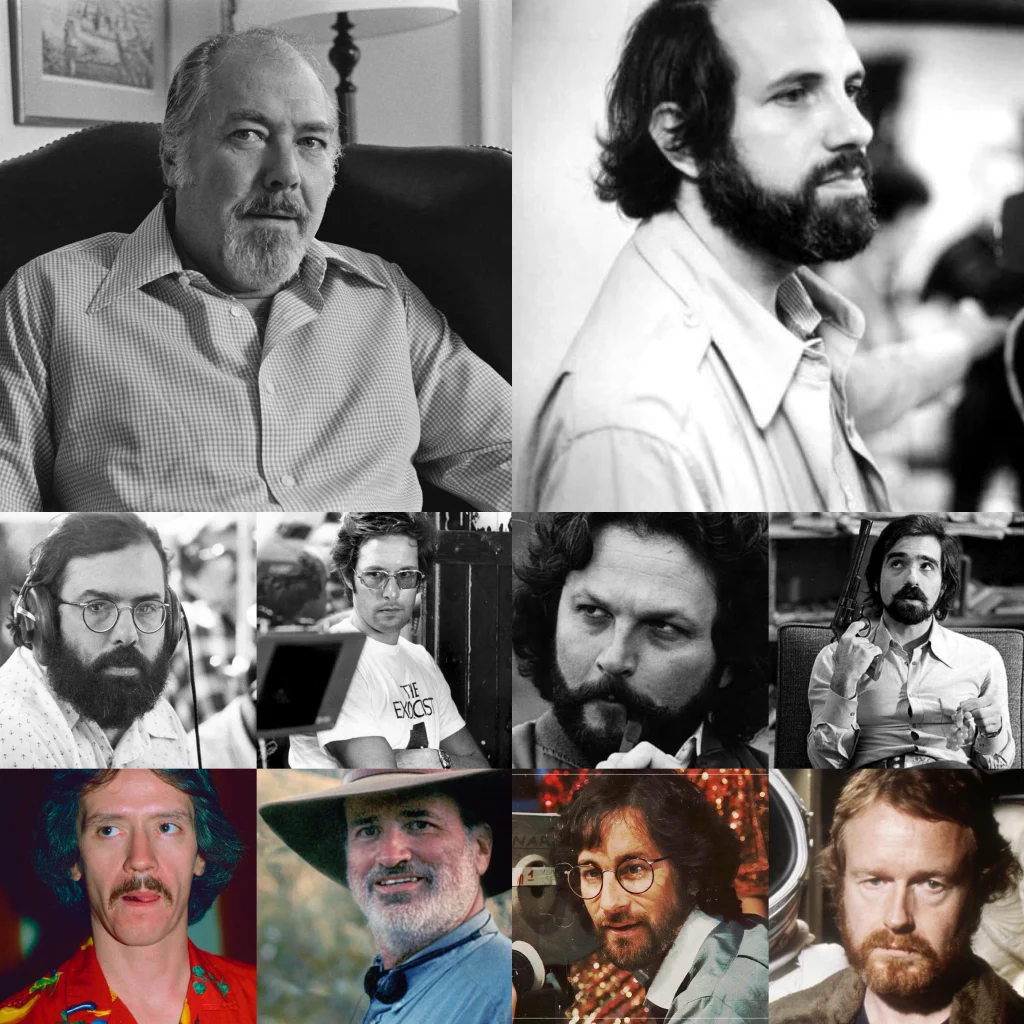
While New Hollywood encouraged experimentation, the same period also produced a new commercial model built around the blockbuster, a large-scale release designed to attract broad audiences through spectacle, emotional excitement, memorable characters, and extensive marketing. Steven Spielberg’s Jaws, released in 1975, became a defining example of this approach, combining suspense, accessible storytelling, and a carefully managed release strategy to create a major box-office success. Its popularity helped encourage studios to treat certain films as major seasonal events, supported by advertising campaigns designed to build anticipation before release. Two years later, George Lucas’s Star Wars expanded the possibilities of the blockbuster through a combination of science-fiction adventure, imaginative world-building, groundbreaking effects, memorable music, and an expansive universe of characters and stories. The film’s success extended beyond ticket sales into merchandise, toys, books, and other commercial products, demonstrating that a successful movie could generate revenue and audience interest through multiple forms of entertainment. This model gradually encouraged studios to invest more heavily in high-concept projects that could be explained through a compelling premise and promoted to a broad audience. The rise of the blockbuster did not eliminate artistic filmmaking, but it changed the industry’s economic priorities by making a small number of major releases increasingly important to annual financial performance.
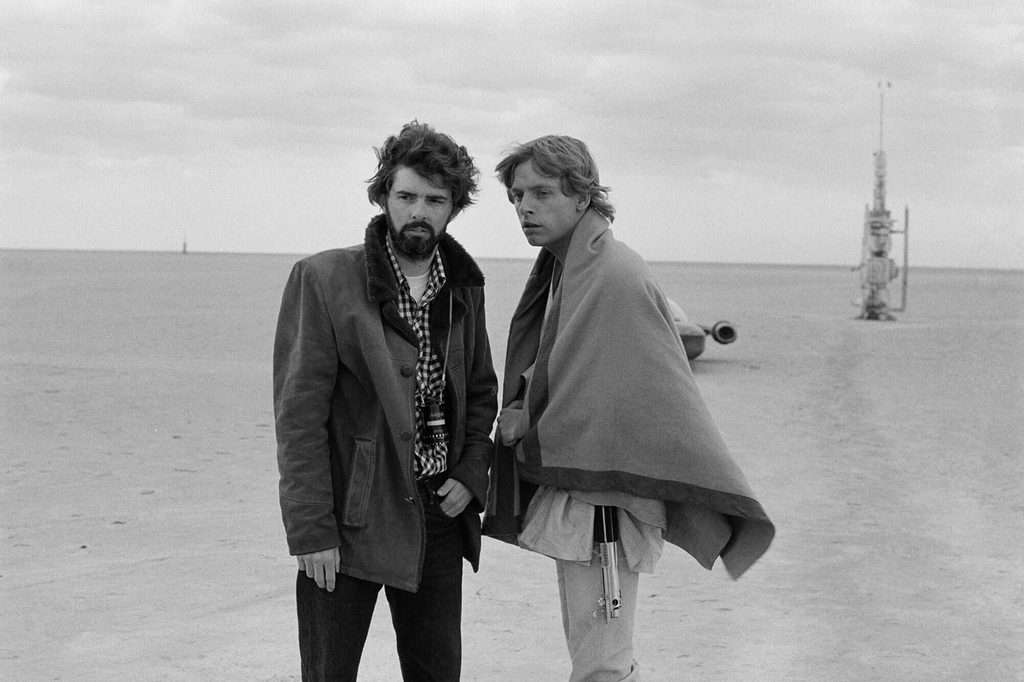
The blockbuster era also reshaped the relationship between cinema, popular culture, and the business of entertainment. Film characters became recognizable symbols that could appear on merchandise, in advertising, in sequels, and eventually across television, games, and other media. Studios learned that a successful film could serve as the foundation for a long-running commercial property, encouraging the development of sequels and related productions that extended the life of familiar stories. At the same time, the growing importance of summer releases and large marketing campaigns made the movie business more dependent on anticipation, brand recognition, and broad public awareness. The effects of this shift could be seen in the production of science-fiction films, action adventures, fantasy epics, and high-profile comedies that competed to offer audiences experiences they could not easily reproduce at home. However, the 1970s and early 1980s also preserved room for intimate dramas, independent projects, and filmmakers whose work resisted the increasingly commercial logic of the blockbuster system. The period’s lasting legacy was therefore twofold: it established a new generation of influential American directors and demonstrated that movies could become enormous commercial events, while also creating a tension between cinema as a personal art form and cinema as a global entertainment business.
Chapter 7: Home Video, Independent Film, and the Digital Revolution
The arrival of home video transformed the American movie industry by changing where, when, and how audiences could watch films. During the 1980s, videocassette recorders and the growth of the VHS rental market allowed families to watch movies at home, revisit favorite films, and discover titles that were no longer playing in theaters. Video rental stores became important cultural spaces, offering large collections of new releases, older classics, cult films, foreign productions, and low-budget movies that might otherwise have been difficult to find. The home-video market also created a second major source of revenue for studios, allowing films to continue earning money after their theatrical runs had ended. This development altered the economics of filmmaking because a production’s potential value increasingly depended on more than its initial box-office performance. A film that attracted a modest theatrical audience could find new life through rentals and later home sales, while popular titles could develop lasting followings through repeated viewing. The ability to pause, rewind, and rewatch scenes also changed how audiences interacted with cinema, allowing viewers to study performances, examine visual details, and develop personal collections. Over time, home video helped turn movies from occasional public events into a more continuous part of everyday domestic entertainment.

At the same time, independent filmmaking became an increasingly important force in American cinema, providing opportunities for directors and writers who wanted to work outside the largest studio structures. Independent filmmakers often operated with smaller budgets, limited resources, and greater creative risk, but they could explore subjects and styles that major companies sometimes considered commercially uncertain. The Sundance Film Festival became an important showcase for independent productions, helping connect filmmakers with distributors, critics, investors, and audiences interested in alternatives to mainstream Hollywood entertainment. Directors such as Spike Lee, whose films explored race, community, politics, and urban life, helped demonstrate that independent and artistically distinctive projects could achieve critical attention and broader cultural influence. Quentin Tarantino introduced a highly recognizable style built around nonlinear storytelling, sharp dialogue, genre references, and unconventional violence, while Steven Soderbergh and Richard Linklater explored different approaches to character, structure, and realism. These filmmakers represented a wider movement in which personal vision and distinctive storytelling could become valuable qualities rather than obstacles to commercial success. Independent cinema also offered a platform for stories about communities and experiences that had often been overlooked by the major studios, although gaining consistent access to financing, distribution, and theater screens remained difficult for many creators.
Technological innovation continued to change filmmaking during the late twentieth century, particularly through advances in computer graphics, digital editing, and visual effects. Traditional special-effects techniques, including miniatures, practical models, matte paintings, makeup, and carefully constructed sets, remained important, but computers made it possible to create increasingly complex images and environments. Steven Spielberg’s Jurassic Park, released in 1993, became a landmark in the use of computer-generated imagery, combining digital creatures with practical effects to create a convincing cinematic world. Its success demonstrated that digital techniques could support storytelling on a scale that would have been difficult or impossible through earlier methods alone. Digital editing systems also gave filmmakers greater flexibility in shaping scenes, adjusting pacing, and combining visual elements, while improvements in sound design and surround-sound systems made the theatrical experience more immersive. The introduction of DVDs later in the 1990s provided higher-quality home viewing than VHS and created new opportunities for special features, director commentaries, behind-the-scenes documentaries, and archival material. By the end of the century, the film industry was moving toward a digital future in which production, postproduction, distribution, and home entertainment would become increasingly interconnected, setting the stage for the dramatic changes of the twenty-first century.
Chapter 8: The Digital Age and the Transformation of Hollywood
The beginning of the twenty-first century brought profound changes to American filmmaking as digital technology became increasingly central to production, visual effects, editing, and distribution. Digital cameras gradually became more capable and affordable, allowing filmmakers to capture high-quality images without relying exclusively on traditional film stock. Digital workflows also reduced certain production costs and made it easier to review footage, experiment with visual choices, and move material between different stages of postproduction. Computer-generated imagery became a standard feature of many large-scale productions, enabling filmmakers to create elaborate fantasy environments, futuristic cities, extraordinary creatures, and action sequences that combined live performances with digitally constructed elements. These technologies expanded the range of cinematic possibilities, but they also changed the skills required of filmmakers and the organization of production teams. Visual-effects artists, software specialists, animators, digital editors, and technical supervisors became increasingly important collaborators in the creation of contemporary movies. The growing reliance on digital tools did not make storytelling less important; instead, it gave filmmakers new ways to communicate ideas, build fictional worlds, and create visual experiences that could attract audiences in an increasingly competitive entertainment marketplace.

Hollywood’s commercial strategy also evolved as studios invested more heavily in franchises, sequels, reboots, adaptations, and cinematic universes. Established characters and recognizable properties could provide an advantage in a crowded marketplace because audiences already had some familiarity with the story or its world. The success of superhero films, fantasy adaptations, animated features, and long-running science-fiction series encouraged companies to build interconnected stories that could extend across multiple theatrical releases and other forms of entertainment. The Marvel Cinematic Universe became one of the most prominent examples of this strategy, linking individual films through recurring characters, shared storylines, and carefully planned connections between releases. Other franchises drew on comic books, video games, novels, toys, and earlier films to create properties with established audiences. These projects often required large budgets and complex production schedules, while marketing campaigns began years before the release of particularly important installments. Although franchise filmmaking produced enormous commercial successes, it also generated criticism from viewers and filmmakers who worried that original stories and smaller productions were receiving less attention. The tension between established intellectual property and new creative ideas became one of the defining debates of modern Hollywood, reflecting a broader challenge faced by an industry balancing financial risk with artistic ambition.
The internet transformed the way movies were promoted, discussed, reviewed, and discovered, allowing studios and filmmakers to reach audiences directly through websites, online trailers, social media, and digital advertising. Before the internet became central to movie marketing, studios depended heavily on television commercials, newspaper advertisements, billboards, magazine coverage, and traditional publicity events to generate interest. Online platforms made it possible for trailers to circulate rapidly, for fans to discuss upcoming releases, and for audiences to react to casting announcements, production photographs, and promotional campaigns long before a film reached theaters. This new environment increased the speed at which public opinion could develop and gave online communities a greater role in shaping the conversation around movies. Independent filmmakers also benefited from digital communication because they could promote their work without relying entirely on the traditional publicity machinery available to major studios. However, the same changes created new pressures, as audience reactions could spread quickly and marketing campaigns became vulnerable to public criticism, misinformation, and unpredictable online controversies. Meanwhile, digital distribution began to challenge the traditional model in which films moved from theaters to home video and then to television. The distinction between theatrical releases, home entertainment, and online viewing became increasingly fluid, preparing the industry for the streaming revolution that would redefine the moviegoing experience.
Chapter 9: Streaming, Global Audiences, and the New Movie Industry
Streaming services fundamentally changed the American movie industry by making large collections of films available through internet-connected devices and allowing audiences to watch content on demand. Instead of depending exclusively on scheduled television broadcasts, physical discs, or trips to theaters, viewers could access movies through subscription platforms, digital rentals, and online purchases. This convenience changed viewing habits and created new opportunities for films to find audiences beyond their original theatrical markets. Streaming companies also became major producers and financiers of original movies, competing with traditional studios for directors, actors, writers, and awards recognition. Their business models differed in important ways, with some companies emphasizing subscription growth and regular releases while others maintained a stronger commitment to theatrical distribution. The availability of streaming also encouraged viewers to explore older films, international productions, documentaries, and independent titles that might previously have been difficult to locate. At the same time, the growth of online libraries raised questions about the long-term visibility of movies, the value of theatrical exclusivity, and the financial arrangements between platforms and the people who create films. As streaming became a central part of entertainment, the industry had to reconsider not only how movies reached audiences but also how success should be measured.

The COVID-19 pandemic accelerated these changes by disrupting theatrical exhibition, delaying productions, and forcing studios to reconsider release strategies during a period when public gatherings were restricted in many places. Movie theaters closed temporarily in numerous markets, film crews faced interruptions, and highly anticipated releases were postponed or redirected toward digital platforms. Some companies experimented with simultaneous theatrical and streaming releases, while others adopted shorter theatrical windows before making films available for home viewing. These decisions helped audiences continue accessing new entertainment during a difficult period, but they also intensified debates about the future of movie theaters and the economic relationships among studios, exhibitors, streaming platforms, and filmmakers. As theaters reopened, the industry faced the challenge of encouraging audiences to return to cinemas while competing with the convenience of home viewing. Large-scale spectacles, event films, and productions designed for the communal theatrical experience continued to attract attention, demonstrating that movie theaters retained an important cultural role. Nevertheless, the pandemic accelerated an industry-wide reassessment of distribution practices, release schedules, production costs, and audience expectations, leaving the traditional theatrical model more flexible but also more uncertain than it had been in earlier decades.
American cinema has also become increasingly interconnected with global audiences, international financing, overseas production locations, and storytelling traditions from many parts of the world. Hollywood films have long circulated internationally, but the contemporary entertainment economy depends heavily on audiences beyond the United States, making global appeal an important consideration in the development and marketing of major releases. International filmmakers, actors, cinematographers, and visual-effects specialists have become essential contributors to American productions, while American studios increasingly work with international partners and draw inspiration from stories that cross national boundaries. Meanwhile, audiences in the United States have gained greater access to films from South Korea, India, Japan, Europe, Africa, Latin America, and other regions through streaming services, film festivals, and specialized distributors. This exchange has expanded the range of cinematic experiences available to viewers and challenged the idea that Hollywood alone defines international movie culture. American filmmaking remains highly influential, but it now operates within a global environment in which audiences can compare stories, styles, and production traditions from many different countries. The future of the industry will depend in part on how successfully American filmmakers engage with this wider world while continuing to tell stories that feel emotionally authentic, culturally meaningful, and artistically distinctive.
Chapter 10: The Future of American Movies
The future of American cinema will be shaped by the continued development of technology, the changing expectations of audiences, and the creative decisions made by filmmakers working across an increasingly diverse entertainment landscape. Artificial intelligence, virtual production, real-time computer graphics, advanced motion capture, and immersive technologies are already influencing the way some productions are developed and completed. Virtual production techniques can allow filmmakers to place performers in front of large digital environments that change in coordination with the camera, offering alternatives to certain traditional location shoots and green-screen workflows. Artificial intelligence may assist with tasks such as organizing production materials, creating preliminary visual concepts, translating dialogue, or improving some aspects of postproduction, although its use raises important questions about copyright, consent, creative ownership, labor, and the value of human artistic contribution. The development of these tools will require filmmakers, studios, performers, writers, and technical workers to establish responsible practices that protect creative rights while making room for innovation. Technology can expand the possibilities of cinema, but it cannot independently determine which stories deserve to be told or why audiences should care about the people and events they see on screen. The emotional power of a movie still depends on choices about character, conflict, perspective, rhythm, performance, and meaning.
Another major question concerns the future relationship between theatrical exhibition and home viewing. Movie theaters offer a communal experience in which audiences gather to share laughter, suspense, surprise, and emotional reactions, creating an atmosphere that differs from watching a film alone on a television or mobile device. Large screens, carefully designed sound systems, and the absence of everyday distractions can make a theatrical screening feel like a special occasion, particularly for films built around spectacle, music, visual detail, or intense dramatic experiences. Home viewing, however, offers convenience, accessibility, and flexibility, allowing audiences to enjoy movies around their own schedules and in environments that suit their needs. Rather than assuming that one format will completely eliminate the other, the future may involve a more varied relationship in which different kinds of films follow different distribution paths. Major studio productions may continue to rely on theatrical releases to create cultural events, while smaller films may reach their audiences through festivals, limited theatrical runs, online platforms, or a combination of distribution methods. The central challenge will be ensuring that filmmakers can reach viewers in ways that support both creative independence and financial sustainability, particularly as distribution companies and technology platforms continue to compete for attention.
The future of American movies will also depend on the industry’s willingness to expand the range of stories, communities, and experiences represented on screen. For much of Hollywood’s history, opportunities to finance, produce, direct, and star in major films were distributed unequally, limiting the visibility of women, people of color, disabled artists, LGBTQ+ communities, and other groups whose experiences did not always fit established commercial expectations. Although progress has been uneven and incomplete, filmmakers from a wider range of backgrounds have gained opportunities to tell stories that challenge conventional portrayals of American life and broaden the emotional and cultural vocabulary of cinema. These films can introduce audiences to unfamiliar experiences while also revealing the complexity within communities that have often been represented through narrow stereotypes. Greater diversity in storytelling does not require every film to serve as a social statement; it means allowing more people to participate in the creative process and giving audiences access to a wider variety of perspectives, genres, characters, and artistic approaches. Independent filmmakers, regional productions, documentary artists, and emerging creators using digital tools may play an important role in this evolution, particularly if they can secure meaningful access to financing, distribution, and professional opportunities. The long-term strength of American cinema will depend not only on the size of its budgets or the sophistication of its technology but also on its ability to remain curious about the world and open to new voices.
Ultimately, the most enduring American movies will be those that combine innovation with compelling storytelling and a clear understanding of human experience. Audiences may be attracted to spectacular visual effects, familiar franchises, famous performers, or carefully constructed promotional campaigns, but the films that remain meaningful over time often succeed because they capture something recognizable about love, fear, ambition, grief, friendship, injustice, hope, or the struggle to understand one’s place in the world. Future filmmakers will inherit a tradition that includes silent comedies, classic studio dramas, westerns, musicals, independent films, documentary investigations, animated adventures, science-fiction epics, and countless other forms of cinematic expression. They will also inherit the responsibility to examine that tradition critically, recognizing its achievements while acknowledging the exclusions and misrepresentations that shaped parts of its history. As technology changes and distribution models continue to evolve, American cinema will remain an art form in motion, continually adapting to new audiences, new ideas, and new ways of seeing. Its future cannot be predicted with certainty, but its history suggests that filmmakers will continue finding creative methods to transform personal experiences and cultural questions into stories that can be shared across generations.
Conclusion: The American Movie as a Mirror of the Nation
The 250-year history of the United States provides a powerful framework for understanding the evolution of American movies, even though cinema itself emerged more than a century after the nation’s founding. The earliest traditions of American storytelling developed through theater, music, literature, public entertainment, and visual art, creating a cultural environment in which new technologies could eventually transform the experience of watching stories unfold. The invention of motion-picture cameras and projection systems in the late nineteenth century introduced a medium that quickly grew from a scientific novelty into a popular form of mass entertainment. Silent films established the foundations of visual storytelling, Hollywood created a powerful studio and star system, synchronized sound expanded the expressive possibilities of the screen, and color filmmaking helped turn cinema into an increasingly spectacular art form. Later generations of directors challenged established conventions, blockbuster productions reshaped the industry’s commercial priorities, home video changed the way audiences experienced movies, and digital technology opened new possibilities for creating and distributing moving images. Streaming and global competition have continued to alter the business, demonstrating that cinema is not a fixed institution but an evolving form of cultural expression.
Throughout this history, American movies have reflected the nation’s achievements, anxieties, conflicts, and aspirations. They have celebrated individual courage and collective accomplishment, explored the promise of opportunity, and examined the consequences of greed, discrimination, violence, and unequal power. They have offered audiences imaginative escapes from everyday life while also providing ways to confront difficult questions about history and society. Some films have reinforced familiar myths about America, while others have challenged those myths by presenting stories that were overlooked, marginalized, or deliberately excluded from mainstream representation. The most significant works of American cinema often reveal the tension between the country as it imagines itself and the country as its people actually experience it. That tension has helped make movies an important part of the national conversation, influencing popular language, fashion, music, public memory, and the ways people around the world understand American culture.
As the United States marks 250 years since the Declaration of Independence, the history of its cinema offers a reminder that cultural identity is continually created and reconsidered through storytelling. American movies began with brief experiments in recorded movement and developed into an international industry capable of influencing entertainment, technology, and popular imagination on a vast scale. Yet beneath the machinery of production, the spectacle of the screen, and the economics of distribution, the central purpose of cinema remains remarkably consistent: to bring people into contact with stories and experiences beyond their immediate lives. Whether a film is presented in a grand theater, watched on a television at home, discovered through a streaming service, or created by an independent artist with limited resources, its power ultimately rests on the connection it establishes between the story and the audience. The history of American movies is therefore not merely a record of inventions, studios, stars, and box-office achievements; it is a history of the people who have used moving images to imagine the past, interpret the present, and envision possible futures. From the earliest experiments in motion photography to the cinematic worlds yet to be created, American cinema remains one of the most influential expressions of the nation’s enduring desire to tell stories, challenge expectations, and see itself through the eyes of others.