

250 Years of Music That Shaped a Nation – Part One

From Ancient Drums to Hip-Hop Beats, the Story of American Music and the Culture That Changed the World
Part One
Before There Was America, There Was Music
Long before the Declaration of Independence was signed in Philadelphia in 1776, before jazz echoed through the streets of New Orleans, before Elvis Presley stood before a microphone at Sun Studio, before Aretha Franklin transformed pain into power, before Kendrick Lamar turned poetry into protest, there was music.
America did not invent music. It inherited thousands of years of musical traditions from Indigenous peoples who understood rhythm as a living force connecting humanity to nature, ancestry, and the Creator. It absorbed melodies from Europe, percussion from Africa, harmonies from sacred churches, and stories carried by immigrants who crossed oceans in search of opportunity or were forced across them through unimaginable suffering.
What America accomplished over the next 250 years was something unique. It became one of history’s greatest musical crossroads, where cultures collided, borrowed, adapted, challenged one another, and ultimately created entirely new forms of expression. In no other nation have so many musical traditions merged so rapidly to produce genres that reshaped global culture.
Today, whether a teenager in Tokyo dances to hip-hop, a church choir in South Africa sings gospel harmonies, a jazz quartet performs in Paris, or country music fills arenas in Australia, they are participating in traditions that were profoundly shaped by the American experience.
American music is not simply entertainment. It is the country’s autobiography.
Every era has left behind its soundtrack.
The songs of enslaved Africans carried messages of hope through oppression.
The blues gave voice to heartbreak after emancipation.
Jazz celebrated freedom through improvisation.
Rock and roll challenged generations to rethink culture.
Soul became the heartbeat of the Civil Rights Movement.
Hip-hop transformed neglected neighborhoods into global centers of creativity.
Country music chronicled working-class dreams.
Pop united millions across continents.
These sounds emerged from triumph and tragedy alike. They reveal not only who Americans were, but who they hoped to become.
As the United States commemorates 250 years of independence, it is impossible to tell the nation’s story without its music. Political speeches may explain governments. Historical documents may record events. Yet music captures emotion in ways no archive can preserve. Songs remember what textbooks sometimes forget.
Music has accompanied every American milestone—from births to funerals, from wars to celebrations, from labor strikes to presidential inaugurations, from moon landings to championship victories.
Perhaps that is why American music continues to resonate around the world. It speaks in universal languages: love, loss, hope, rebellion, faith, resilience, and joy.
This is the story of how those sounds came to define a nation.
The First Voices: Indigenous America
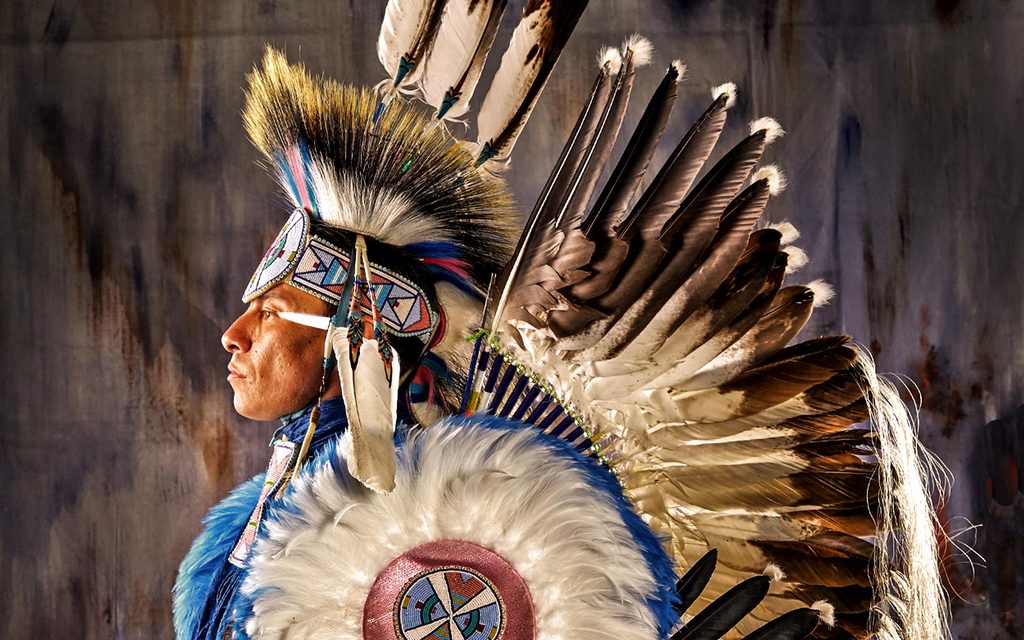
Long before European ships appeared on the Atlantic horizon, North America was home to hundreds of Indigenous nations, each with its own musical traditions, instruments, ceremonies, and songs. Music was woven into every aspect of life—not merely as entertainment, but as ceremony, education, healing, and history.
Unlike Western traditions that often separated music from daily life, Indigenous cultures viewed song as inseparable from identity. Songs marked births, honored harvests, accompanied hunts, prepared warriors, celebrated marriages, and guided spirits during times of mourning. Many melodies were believed to have been received through dreams or visions, giving them spiritual significance beyond performance.
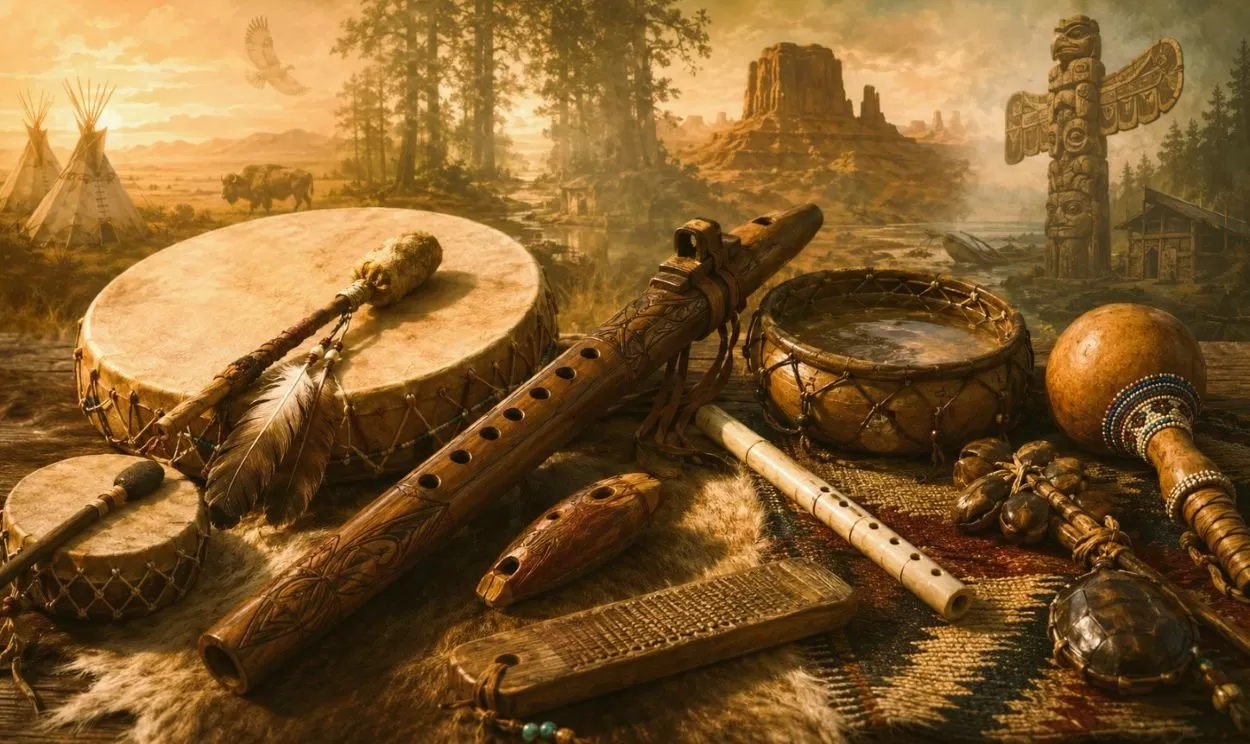
Drums were central to many communities. Often described as the heartbeat of the Earth, they provided a rhythmic foundation that united singers and dancers. Flutes, rattles, whistles, and hand percussion varied among nations, reflecting local materials and cultural practices.
Songs were passed down orally across generations. In many nations, elders served as keepers of these traditions, ensuring that stories, languages, and ceremonies survived despite immense challenges. Music functioned as an archive long before written notation became common.
The arrival of European colonists disrupted these traditions through warfare, displacement, and policies of forced assimilation. Indigenous ceremonies were sometimes banned, children were removed from their families and sent to boarding schools, and Native languages were actively suppressed. Yet music endured.
Today, powwows across the United States bring together communities to celebrate culture through drumming, singing, and dance. Contemporary Indigenous artists blend ancestral traditions with genres such as rock, folk, country, hip-hop, and electronic music, demonstrating that Native musical heritage remains a living force rather than a relic of the past.
Recognizing Indigenous music as the foundation of America’s musical landscape is essential to understanding the nation’s cultural story. The first soundtrack of this land began long before the United States existed.
European Settlers and the Sound of a New World
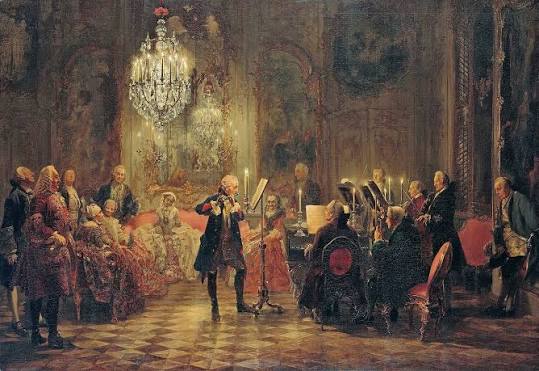
When European settlers arrived, they brought with them centuries of musical traditions. English ballads, Scottish fiddle tunes, Irish jigs, French dances, German hymns, Dutch folk songs, and Spanish guitar music all took root in different regions.
Churches became important musical centers. Congregational singing introduced hymns that emphasized communal participation rather than professional performance. Instruments such as violins, flutes, and later pianos became increasingly common in homes and public gatherings.
In rural communities, music was both practical and social. Barn dances, weddings, harvest celebrations, and town festivals relied on musicians who often learned by ear. As communities grew, these traditions began blending with one another, creating regional sounds that would later influence folk, bluegrass, country, and Appalachian music.
The Appalachian Mountains became one of America’s richest musical incubators. Settlers from Scotland and Ireland preserved fiddle tunes that would evolve over generations. Isolated communities adapted melodies, altered rhythms, and created entirely new repertoires. These traditions survived largely because families passed songs from one generation to the next.
Religion also shaped early American music. The Great Awakenings of the eighteenth century emphasized emotional worship, encouraging congregations to sing with passion rather than restraint. Camp meetings featured spirited hymns that often relied on repetition, call-and-response patterns, and accessible melodies. These characteristics would later influence gospel music and many other American genres.
Although European traditions supplied melodies and instruments, the defining feature of American music soon became cultural exchange. Different communities lived alongside one another, sometimes peacefully, often uneasily, but inevitably influencing each other’s sounds.
The Forced Migration That Changed Music Forever
No discussion of American music can ignore one of the darkest chapters in human history: the transatlantic slave trade.
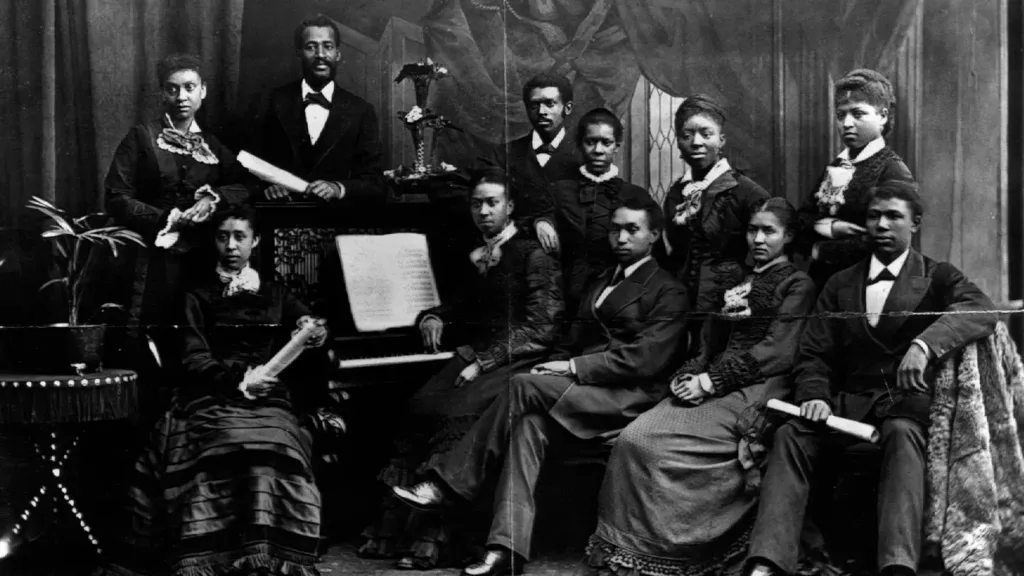
Between the seventeenth and nineteenth centuries, millions of Africans were forcibly transported across the Atlantic. They arrived stripped of freedom but not of memory. They carried rhythms, vocal techniques, spiritual beliefs, and musical traditions that would profoundly transform the cultural landscape of the Americas.
In many slaveholding societies, drums were restricted or banned because enslavers feared they could be used for communication or rebellion. Yet rhythm could not be erased. Body percussion, hand clapping, foot stomping, and intricate vocal patterns preserved African musical principles even when instruments were unavailable.
Call-and-response singing became a defining characteristic of African American musical expression. A leader sang a phrase; the community answered. This interactive structure strengthened social bonds and later influenced gospel, blues, jazz, soul, rock, R&B, and hip-hop.
Work songs synchronized labor in fields, on railroads, and at docks. Spirituals blended biblical imagery with coded messages of hope and liberation. Songs such as “Go Down Moses” and “Steal Away” expressed both religious faith and aspirations for freedom.
Music became resistance.
It preserved humanity under conditions designed to deny it.
Rather than disappearing, African musical traditions merged with European harmonies and American experiences to create entirely new musical languages. Nearly every major American genre would eventually trace some part of its DNA to these innovations.
The extraordinary influence of African American musicians on American culture cannot be overstated. Their creativity reshaped not only national identity but global music itself.
Music and Revolution
The American Revolution was fought with muskets and political ideals, but it was also accompanied by music. Soldiers marched to fifes and drums, patriotic ballads circulated through taverns and town squares, and songs helped spread revolutionary sentiment among a population that often learned news orally.
Music provided morale during hardship. It united communities separated by geography and reinforced a shared sense of purpose.
After independence, the young republic continued developing its own musical identity. While European composers remained influential, American musicians increasingly wrote songs reflecting local experiences, landscapes, and ideals. The nation was still searching for its cultural voice, but the foundations were being laid.
The Nineteenth Century: A Nation Expands
As the United States expanded westward during the nineteenth century, music traveled with settlers, soldiers, laborers, immigrants, and enslaved people. Rivers, railroads, and frontier towns became channels through which traditions mixed and evolved.
Irish laborers contributed dance tunes.
German immigrants introduced brass bands.
Mexican traditions influenced the Southwest.
French culture shaped Louisiana.
African American communities continued developing spirituals, work songs, and early blues forms.
Every migration altered America’s sound.
Music reflected the country’s extraordinary diversity while revealing its deepest conflicts over race, class, religion, and identity.
By the mid-1800s, America possessed not one musical tradition but dozens.
Each would soon contribute to the birth of something entirely new.