
Director: HokWai Ng
Producers: Eiji Aonuma, Hidemaro Fujibayashi
Designers: Junhiro Nishiyama, Olivier Nizard
Programmer: Hiroki Taguchi
Artists: Aya Shida, Yasuhiro Takao, Hirohito Shinoda
Writers: Naoki Mori, Mari Shirakawa, Saina Omatsu, Chika Amemiya
Composers: Masato Ohashi, Hayato Sato, Kairi Hamada, Rika Hayashi
Series The Legend of Zelda
Platform Nintendo Switch 2
Release November 5, 2026
Genre Action-adventure: Mode Single-player
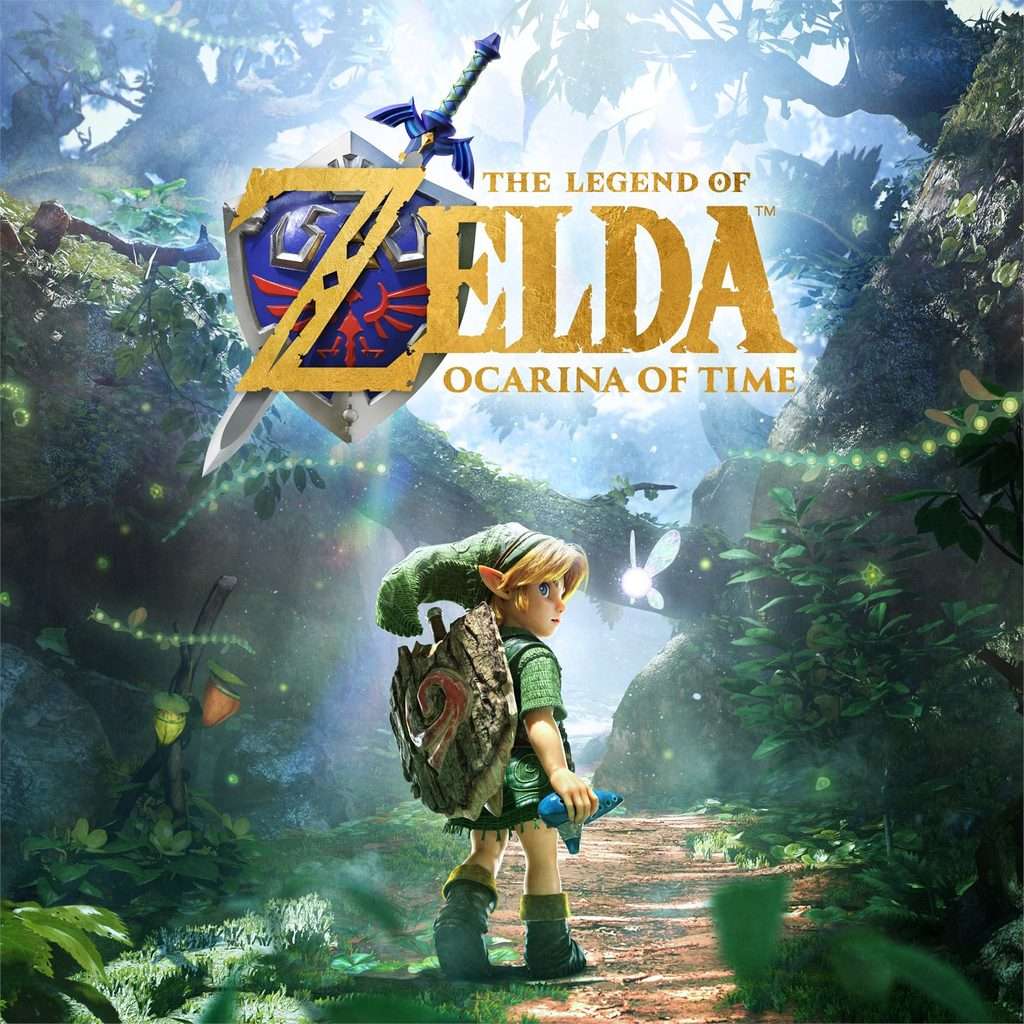
Like in the original game, the player controls Link from a third-person perspective as he explores Hyrule. Link fights with a sword and shield, and can use other weapons such as projectiles, bombs and magic spells. The graphical style has been updated; Game Informer described it as “stylized realism”.
Gameplay changes from the original include the addition of a running ability, faster swimming, motion control aiming, full camera control, and automatic jumps being replaced with button-based jumping. Players can also now scroll between items, similarly to The Legend of Zelda: Breath of the Wild (2017). Cutscenes are now partially voiced.
Several locations are updated. For example, Hyrule Castle Town is expanded into a fully explorable area rather than a pre-rendered location with a fixed camera. Whereas time would previously pause in towns and buildings, time now continuously passes in all areas. Players can view a story summary and track their objective with the “Threads of Time” log feature. Some areas retain loading screens to maintain the original experience. To activate ocarina songs, players may perform melodies using the Nintendo Switch 2 microphone. A new Hall of Defeated Foes area allows players to view statues and information about defeated enemies, as well as replay boss battles.