
250 Years of Music That Shaped a Nation – Part Three

Part Three: Soul, Motown, Funk, Disco, Punk and the Birth of Hip-Hop
The Sound of a Changing America
By the middle of the twentieth century, American music had already traveled an extraordinary distance. The spirituals of enslaved Africans had evolved into gospel, the blues had become a language of emotion and survival, ragtime had introduced syncopation to mainstream audiences, and jazz had transformed improvisation into one of the world’s most sophisticated musical art forms. Country music was preserving the stories of rural America, while swing and big-band music filled dance halls across the nation. Yet America was changing again, and its music was preparing to change with it. The Second World War had transformed the American economy, accelerated the migration of millions of African Americans from the rural South into cities such as Chicago, Detroit, New York, Philadelphia, Cleveland, and Los Angeles, and created new opportunities for communities that had historically been excluded from many areas of American life. Those migrants carried Southern traditions with them, bringing blues, gospel, country, and rhythm and blues into increasingly urban environments. At the same time, radio reached millions of households, affordable records became more accessible, and teenagers began emerging as an increasingly powerful consumer group. American music was becoming younger, louder, more experimental, and more commercially important. The country was preparing for another musical revolution, and this time the sound would be called rock and roll.
Rock & Roll: The Sound of Youth
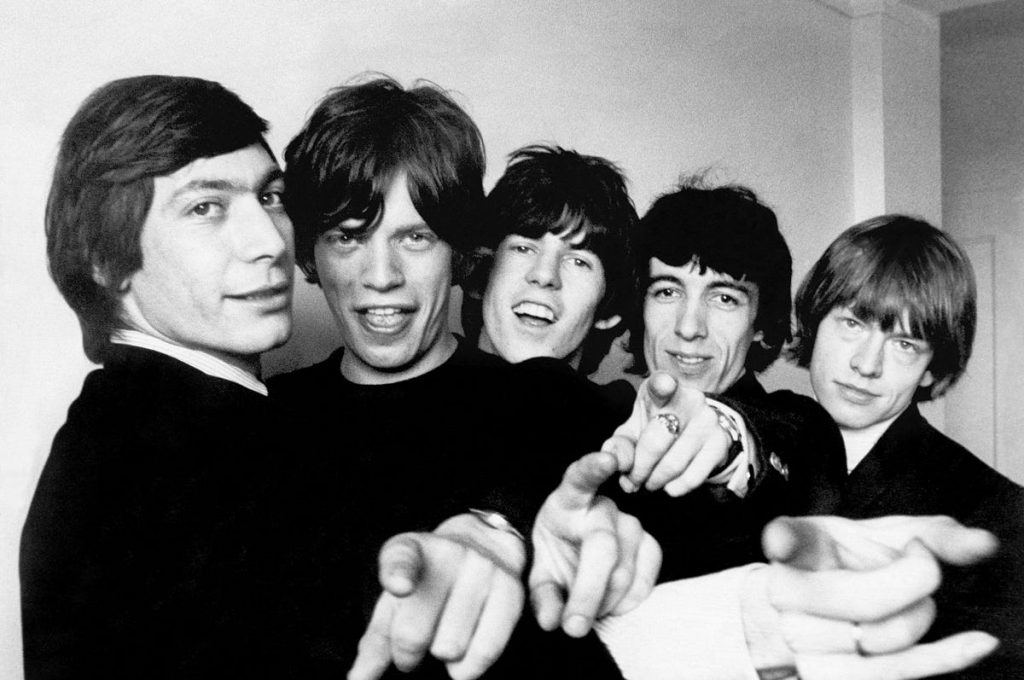
Rock and roll did not suddenly appear because of one musician, one record, or one city. It was the result of decades of cultural exchange among African American and European American musical traditions. The blues provided its emotional language, rhythm and blues supplied its groove, gospel contributed its vocal intensity, country music brought elements of its instrumentation and storytelling, and jazz contributed rhythmic sophistication and improvisational ideas. Together, these traditions created a sound that was energetic, physical, rebellious, and unmistakably American. Artists including Chuck Berry, Little Richard, Fats Domino, Bo Diddley, and Sister Rosetta Tharpe helped establish the foundations of rock music. Berry’s guitar riffs and songs about teenage life captured the optimism and restlessness of postwar youth, while Little Richard transformed the performance stage with his extraordinary voice, piano playing, flamboyant personality, and explosive energy. Bo Diddley’s distinctive rhythm became one of the most recognizable patterns in popular music. Sister Rosetta Tharpe, meanwhile, demonstrated that the electric guitar could be a powerful lead instrument long before rock’s later guitar heroes became famous. Rock and roll was exciting because it sounded different, but it was also culturally significant because it crossed racial boundaries. White teenagers were purchasing records created by Black musicians, while Black audiences were embracing performers who were influenced by African American musical traditions. At a time when American society remained deeply segregated, music was creating cultural connections that politics and institutions had failed to create. Then Elvis Presley emerged as the most famous early ambassador of the new sound to mainstream white America. Presley did not invent rock and roll, but his enormous popularity demonstrated how commercially powerful the genre could become. Rock and roll was no longer a regional phenomenon. It had become a national obsession and one of America’s most important cultural exports.
Soul: When the Voice Became a Movement
As rock and roll conquered the charts, another musical transformation was taking place. Gospel singers were moving into secular music and bringing with them the emotional intensity, vocal power, call-and-response structures, and spiritual conviction they had learned in church. The result was soul music, a genre that combined gospel, rhythm and blues, jazz, and blues into a form centered on emotional expression. Soul musicians did not simply perform songs; they communicated experiences. The singer’s voice became a vehicle for expressing love, heartbreak, frustration, pride, faith, and social consciousness. Soul emerged during one of the most consequential periods in American history. The Civil Rights Movement was challenging segregation across the South, African Americans were demanding voting rights and equal opportunities, and communities were confronting the violence and discrimination that had shaped American life for generations. Music became part of the emotional infrastructure of that movement. Ray Charles demonstrated how gospel traditions could be transformed into secular rhythm and blues, while Sam Cooke brought extraordinary vocal elegance to songs that spoke directly to the experience of Black Americans. Otis Redding became known for his powerful and deeply emotional performances, while James Brown transformed rhythm and performance into an entirely new form of musical expression. Marvin Gaye eventually used his music to address war, poverty, environmental destruction, and social injustice. Soul was more than a new musical genre. It became one of the clearest artistic expressions of a generation demanding to be heard.
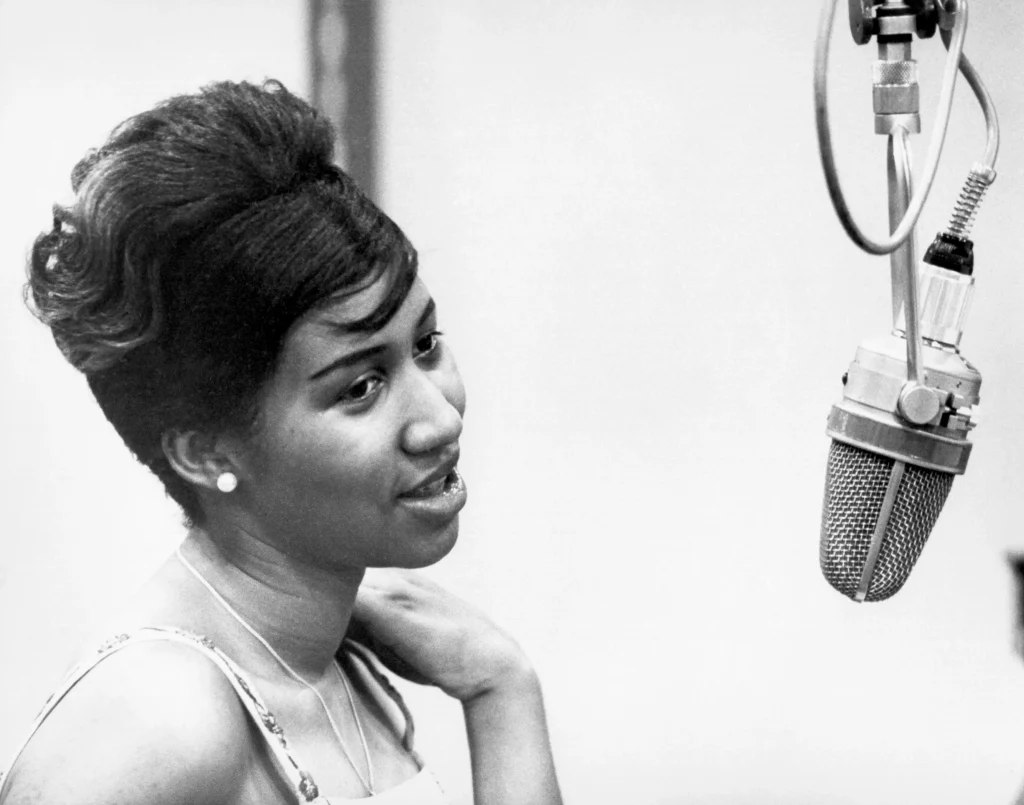
Aretha Franklin: The Queen of Soul
Aretha Franklin grew up surrounded by gospel music. Her father, Reverend C. L. Franklin, was a prominent Baptist preacher, and the church environment exposed her to some of the most powerful vocal traditions in African American culture. When Franklin entered secular music, she brought the emotional force of the church with her. Her voice could be intimate and vulnerable one moment and overwhelming the next, carrying authority, pain, joy, sensuality, and determination. Her interpretation of “Respect” became far more than a successful recording. It became an anthem of dignity, independence, and empowerment, particularly for African American women and for a generation confronting changing ideas about gender, race, and personal freedom. Franklin’s extraordinary career demonstrated that a singer could transform a personal performance into a national cultural statement. Her music crossed racial and generational boundaries, and her presence came to represent something larger than commercial success. She became an American institution whose voice was inseparable from the country’s cultural history. Through Franklin, soul music demonstrated its ability to take private emotion and transform it into a collective experience.
Motown: Detroit’s Sound of Integration
If soul music gave America one of its most powerful emotional voices, Motown gave that voice a polished and sophisticated sound capable of reaching audiences around the world. Founded by Berry Gordy in Detroit in 1959, Motown Records became one of the most successful music organizations in American history. Its remarkable roster included The Supremes, The Temptations, Marvin Gaye, Stevie Wonder, Smokey Robinson, The Four Tops, Martha and the Vandellas, and many other influential performers. Gordy understood that popular music was both an art and a business. He developed a system of songwriters, producers, choreographers, musicians, vocal coaches, and performers who worked together to create records that were carefully constructed for maximum impact. The result was a distinctive sound that was rhythmic enough to make audiences dance, melodic enough to reach mainstream pop listeners, and emotionally sophisticated enough to command serious artistic respect. Motown records became popular among Black and white listeners at a time when American society remained deeply segregated. The music entered homes, radio stations, automobiles, parties, and dance floors across racial lines. Detroit’s identity as a manufacturing center also influenced Gordy’s approach, with the label operating almost like a musical assembly line in which talented artists and creative professionals worked together to produce hit records. Yet behind the polished sound were deeper stories of ambition, identity, love, struggle, and social change. The Supremes represented Black female glamour and achievement, The Temptations combined choreography with extraordinary vocal harmonies, Marvin Gaye eventually used his music to challenge war and social injustice, and Stevie Wonder demonstrated that extraordinary musical experimentation could coexist with enormous commercial success. Motown became more than a record label. It became a symbol of Black excellence and one of America’s most influential cultural exports.
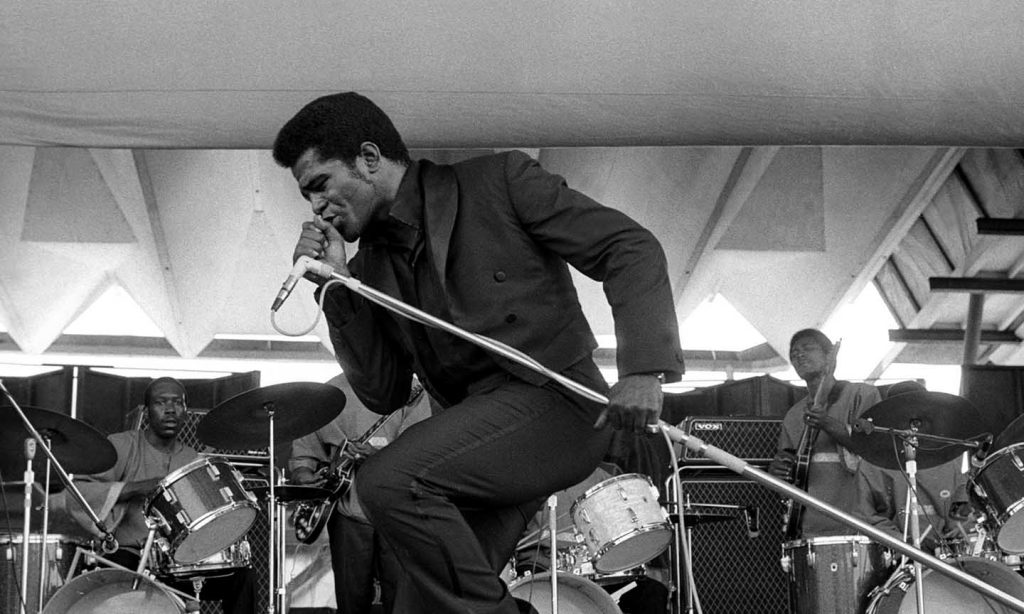
Funk: When Rhythm Became the Message
By the late 1960s and early 1970s, soul music was evolving again. The emphasis increasingly shifted toward rhythm, with bass lines becoming more prominent, drums becoming heavier, guitars becoming more percussive, and the groove itself becoming the central feature of the music. This was funk. No artist embodied this transformation more completely than James Brown, whose performances became legendary for their intensity, precision, movement, and rhythmic innovation. Brown’s musicians operated with extraordinary discipline, locking together bass, drums, guitar, horns, and vocals to create music that seemed to move as a single organism. Funk demanded participation because it was difficult to remain still when confronted by its rhythmic power. Bass players became melodic architects, drummers became rhythmic innovators, and guitarists used their instruments almost like percussion. The music also developed during an era of growing Black cultural pride, and funk became a celebration of Black style, identity, language, dance, fashion, and creativity. Sly and the Family Stone, Parliament-Funkadelic, Curtis Mayfield, Earth, Wind & Fire, and numerous other artists expanded the possibilities of the genre. Funk would eventually become one of the most important foundations of hip-hop because its drum breaks and bass lines were repeatedly sampled by a new generation of producers. In this way, one generation’s rhythm became another generation’s musical vocabulary.
Music and the Civil Rights Movement
American music during the 1960s reflected the political and social upheaval taking place throughout the country. The Civil Rights Movement challenged segregation and racial discrimination, while the Vietnam War divided families and communities. Students protested on college campuses, women demanded greater equality, and young Americans questioned institutions that previous generations had largely accepted without challenge. Musicians responded to this atmosphere by turning songs into statements of political and social consciousness. Folk artists such as Bob Dylan, Joan Baez, and Pete Seeger became associated with protest traditions, while rock, soul, jazz, and rhythm and blues artists increasingly addressed questions of race, war, identity, and freedom. Music festivals became gathering places where political ideas, fashion, art, spirituality, sexuality, and music collided. The 1969 Woodstock festival became the most famous example, attracting hundreds of thousands of young people and becoming a lasting symbol of a generation searching for alternatives to conventional American life. Music was no longer simply a soundtrack to social change. It had become one of the places where social change was being imagined.
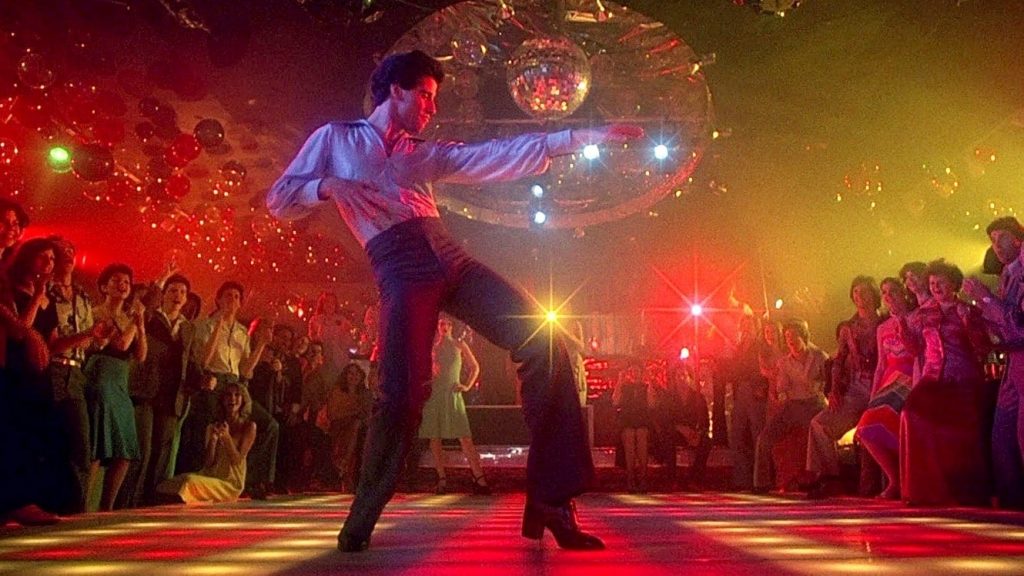
Disco: America Goes to the Dance Floor
Then America danced. During the 1970s, disco emerged from Black, Latino, gay, and other urban nightlife communities and transformed the American dance floor. Its roots could be found in soul, funk, rhythm and blues, Latin music, and European electronic experimentation. Disco emphasized a steady four-on-the-floor beat, powerful bass lines, lush orchestration, strings, horns, percussion, and sophisticated studio production. Artists such as Donna Summer, Gloria Gaynor, Chic, The Village People, and KC and the Sunshine Band brought the sound into mainstream American culture. Yet disco’s significance extended beyond its musical characteristics. Nightclubs provided spaces where people from communities that often experienced discrimination elsewhere could gather, dance, socialize, and temporarily escape conventional social expectations. The dance floor became a place where fashion, sexuality, identity, and music could interact freely. Disco’s enormous popularity eventually produced an equally powerful backlash, with “Disco Sucks” becoming a cultural slogan and the infamous Disco Demolition Night in Chicago in 1979 symbolizing the genre’s controversial decline in mainstream popularity. But disco could not truly disappear because its rhythmic innovations had already entered the DNA of American music. Its influence continued through pop, electronic dance music, house, R&B, and hip-hop, proving once again that American musical ideas rarely disappear completely. They simply evolve.
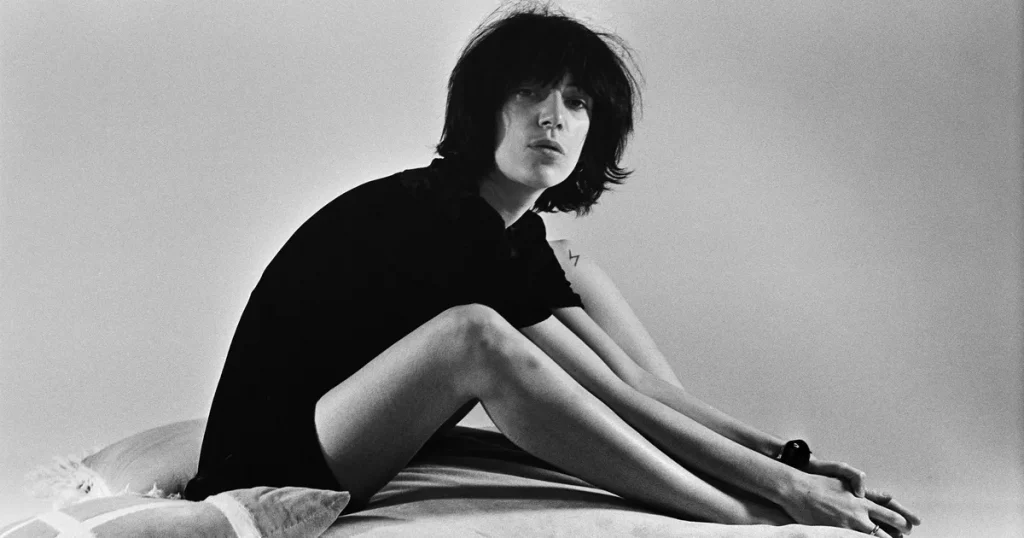
Punk: Three Chords and a Revolution
While disco was filling dance floors, another movement was deliberately rejecting musical excess. Punk rock emerged during the 1970s as a response to what many young musicians believed was an increasingly commercial and bloated music industry. Punk favored simplicity, speed, direct lyrics, loud guitars, and raw energy. The Ramones, Patti Smith, The Clash, Dead Kennedys, and numerous other performers helped define the movement and its attitude. Punk challenged the idea that musicians needed extraordinary technical skills, expensive equipment, or the approval of record companies before they could create meaningful music. Its philosophy was essentially that anyone with something to say could start a band and make a record. That do-it-yourself attitude became one of punk’s most important contributions to American culture. It influenced independent rock, alternative music, underground hip-hop, and eventually the internet generation of musicians who could record and distribute music without relying entirely on traditional gatekeepers. Punk celebrated urgency rather than perfection and demonstrated that musical authenticity could sometimes be more powerful than technical polish. It was music as confrontation, music as independence, and music as a declaration that young people could create their own cultural spaces.
New York City: A New Sound Emerges
At the same time that punk was developing in downtown Manhattan, another musical revolution was beginning in the Bronx. New York City was experiencing economic hardship, urban disinvestment, poverty, and social tension, and many neighborhoods lacked the resources available to wealthier communities. Yet young people transformed these limitations into opportunities for creativity. Parks, apartment buildings, community centers, streets, and neighborhood parties became laboratories for a new culture. Young people began using turntables, microphones, records, dance, fashion, and visual art to create something that had never existed before. This movement became known as hip-hop. DJing, MCing, breakdancing, and graffiti became central elements of the culture, but hip-hop was much more than a collection of techniques. It was an approach to creativity based on transformation. A DJ could take an existing funk or soul recording and isolate the most powerful rhythmic section. An MC could speak over that rhythm and create rhymes that reflected neighborhood life. Dancers could interpret the beat through movement, while graffiti artists transformed neglected walls into colorful expressions of identity. Hip-hop was born from limitation, but those limitations became part of its creative power. There was not always money for musical instruments, so young innovators used records. There was not always access to galleries, so walls became canvases. There was not always access to professional recording studios, so the neighborhood itself became the studio. This philosophy of transformation would become one of hip-hop’s most important contributions to American culture.
DJ Kool Herc and the Break
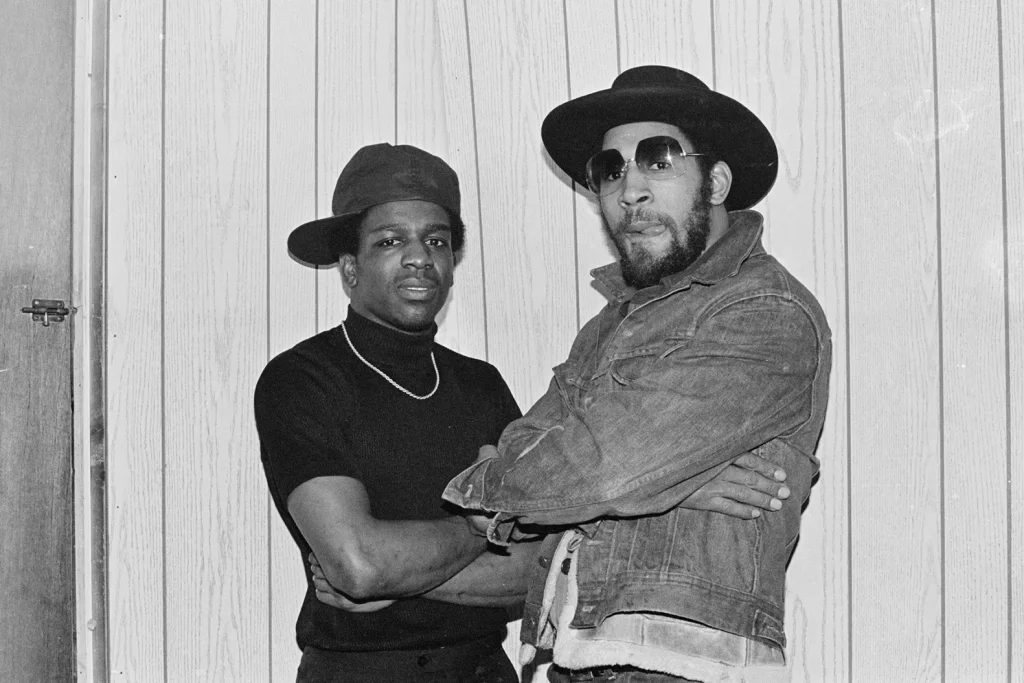
Among the foundational figures of early hip-hop was DJ Kool Herc, whose experiments with turntables helped establish the musical structure that would become central to the culture. Herc recognized that dancers responded most intensely to the instrumental breaks within funk records, so he developed techniques that allowed him to extend those sections by moving between copies of the same record. Instead of allowing the break to end, he could keep the rhythm going for dancers, giving them more time to perform. This innovation transformed the DJ from someone who simply played records into a performer who manipulated recordings as musical instruments. Other pioneers, including Afrika Bambaataa and Grandmaster Flash, expanded these techniques and helped develop hip-hop’s increasingly sophisticated turntable culture. The record itself became raw material. The turntable became an instrument. The DJ became an architect. The audience became part of the performance. Hip-hop was proving that new music did not always require new instruments. Sometimes innovation came from hearing familiar sounds differently.
Rap Finds Its Voice
As hip-hop developed, MCs increasingly moved beyond simply introducing DJs or entertaining crowds. They began telling stories, competing with one another, creating increasingly complex rhymes, and describing their neighborhoods and experiences. Early rap could be playful and celebratory, but it eventually expanded into a powerful form of social commentary. Rappers spoke about poverty, crime, police relations, politics, racism, ambition, fashion, relationships, identity, money, and success. Rap became a form of journalism written in rhythm and rhyme. It allowed young Americans, particularly young Black and Latino Americans, to describe their communities in their own language rather than waiting for newspapers, television networks, politicians, or cultural institutions to tell their stories for them. The rapper became both entertainer and narrator, and the neighborhood became a source of knowledge. Hip-hop demonstrated that personal experience could become art and that stories from communities often ignored by mainstream culture could reach millions of people.
The Sugarhill Gang and the National Breakthrough
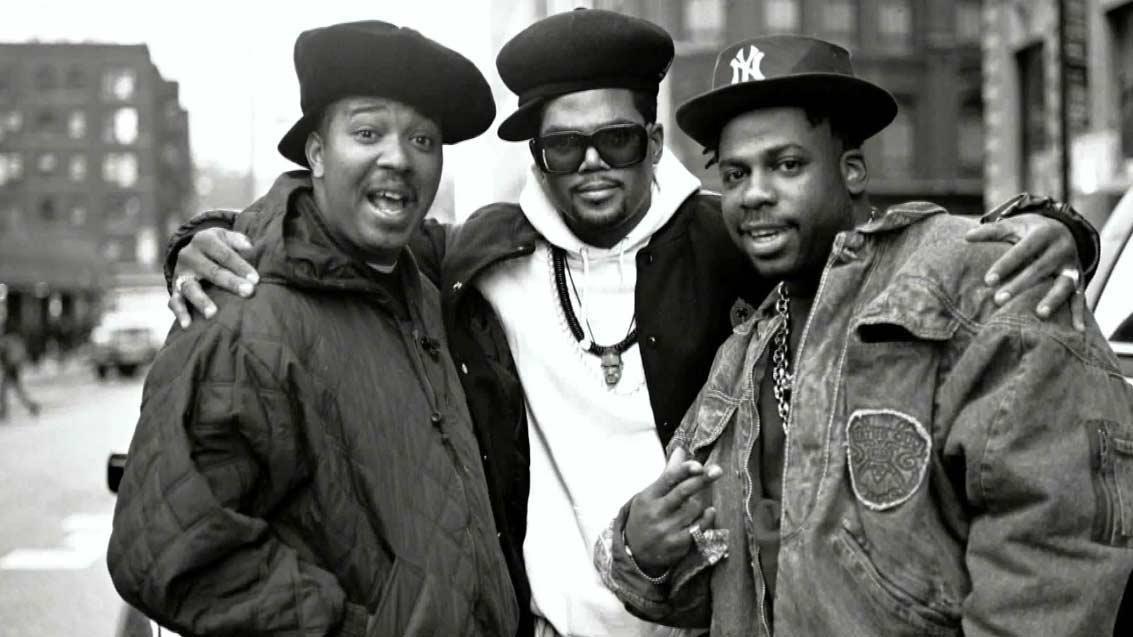
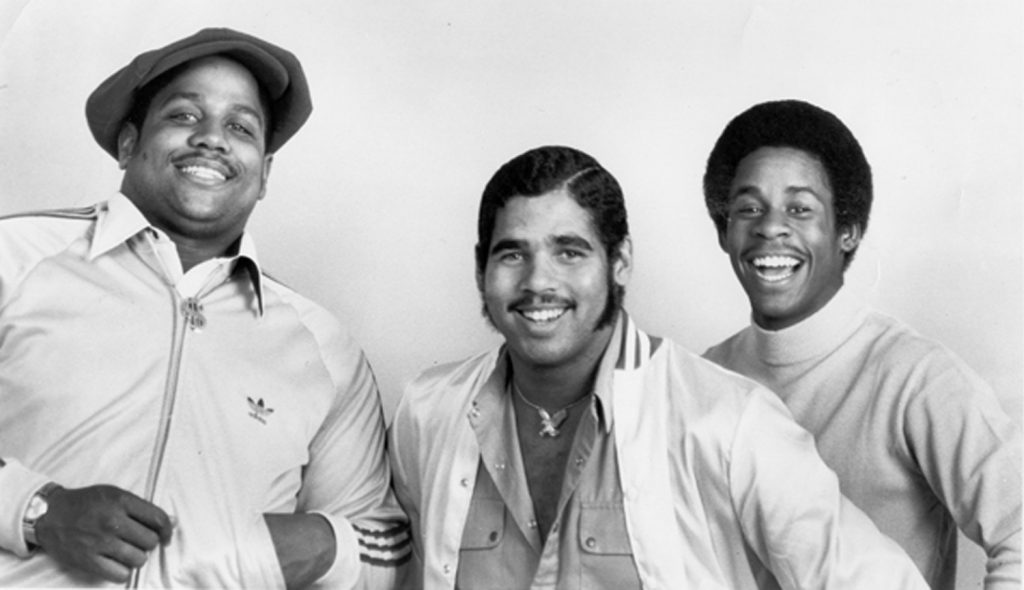
The release of “Rapper’s Delight” by The Sugarhill Gang in 1979 introduced rap music to a mass commercial audience. What had developed in Bronx neighborhoods was suddenly being played on radio stations and purchased by listeners throughout the United States. Record companies began paying attention, television programs began featuring hip-hop performers, and the culture expanded beyond New York City. Run-DMC became one of the most important groups of the 1980s, helping establish hip-hop as a major commercial and cultural force. Their collaboration with Aerosmith on “Walk This Way” became an important cultural moment because it brought rap and rock audiences into the same musical space. Hip-hop was no longer simply a neighborhood phenomenon. It was becoming an American institution. The sound that had emerged from communities experiencing economic hardship was now entering arenas, television networks, record stores, and mainstream popular culture.
Hip-Hop Becomes a Mirror
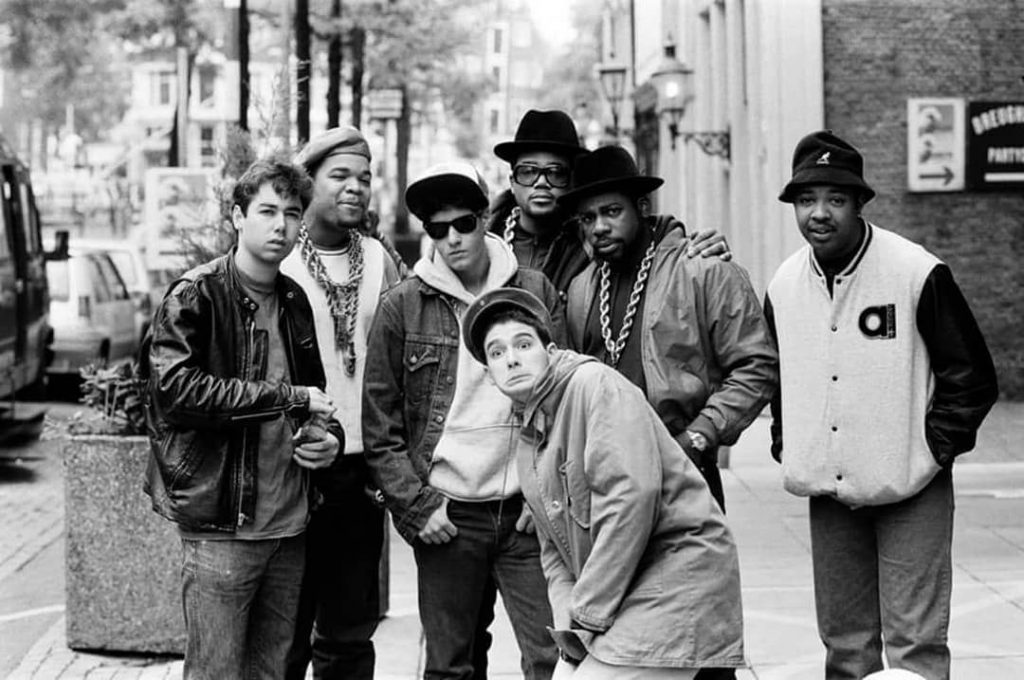
As hip-hop developed during the 1980s, it increasingly became a mirror reflecting American society. Public Enemy used aggressive production and politically charged lyrics to address racism, media representation, government, and Black identity. N.W.A. described life in Compton and brought controversial discussions about police relations and urban America into mainstream conversation. LL Cool J helped establish a commercially accessible form of rap, while the Beastie Boys demonstrated that hip-hop could cross racial and cultural boundaries. Different artists were taking the same basic musical foundation in radically different directions, and that became one of hip-hop’s greatest strengths. The genre could be political, romantic, humorous, aggressive, spiritual, commercial, experimental, conscious, underground, or mainstream. There was no single definition of what a rapper had to be. Hip-hop could contain contradictions because American life itself contained contradictions.
The Sampling Revolution
One of hip-hop’s most important innovations was sampling. Producers searched through decades of American recordings for drum breaks, bass lines, melodies, vocal phrases, guitar riffs, and other sounds that could be transformed into new compositions. Funk, soul, jazz, rock, disco, rhythm and blues, television, and film all became potential sources of inspiration. A producer might take a drumbeat recorded by a funk band years earlier and turn it into the foundation of a completely new song. A jazz bass line could become part of a rap track. A soul vocal could become a chorus. Sampling created a musical conversation between generations and effectively transformed America’s recorded history into a vast musical archive. Hip-hop taught listeners that the past could be revisited, reconstructed, and given new meaning. It was not simply looking forward. It was looking backward and forward at the same time, turning history itself into raw material for creativity.
From the Bronx to the World
By the end of the twentieth century, hip-hop had become one of America’s most powerful cultural exports. Its influence extended far beyond music into fashion, language, advertising, film, television, sports, dance, graphic design, business, and politics. What began in New York neighborhoods became a global culture. Artists in France, Britain, Japan, South Africa, Brazil, Germany, Canada, and countless other countries developed their own forms of hip-hop, often combining American techniques with local languages, political issues, musical traditions, and cultural identities. The global expansion of hip-hop demonstrated something important about American culture: when American ideas travel abroad, they rarely remain exactly the same. Other cultures reinterpret them, reshape them, and return them in new forms. Hip-hop became global precisely because it was flexible enough to belong to many different communities while maintaining a connection to its American origins.
The Meaning of 250 Years
Looking across 250 years of American musical history, one pattern becomes impossible to ignore: American music is built through exchange. Traditions meet, cultures collide, musicians borrow from one another, communities reinterpret existing ideas, and new generations challenge the traditions that came before them. The spiritual became gospel. Gospel influenced soul. Blues influenced jazz and rock. Funk became one of the foundations of hip-hop. Disco contributed rhythmic ideas to electronic dance music. Punk helped create a do-it-yourself culture that influenced generations of independent musicians. Jazz influenced rhythm and blues, rock, hip-hop, and pop. Country music absorbed influences from blues, gospel, folk, and rock. Nothing existed entirely alone. Every major American genre contains pieces of other American genres, which means the nation’s musical history is ultimately a story of connection. The history is not always comfortable because American music was shaped by slavery, segregation, discrimination, poverty, war, migration, and economic inequality. But it was also shaped by creativity, faith, resilience, ambition, experimentation, and hope. The greatest lesson of 250 years of American music may be that the country’s soundtrack has never been one sound. It has always been a conversation.
The Beat Goes On
As America entered the twenty-first century, the boundaries between genres began disappearing faster than ever. A country artist could collaborate with a rapper, a pop singer could incorporate electronic production, a hip-hop producer could sample a jazz recording made decades earlier, and a rock band could combine elements of punk, funk, blues, hip-hop, and alternative music within a single album. Digital technology accelerated the process. Music no longer had to travel from one city to another through physical records or radio stations. A song could be created in Atlanta, uploaded to the internet, discovered in London, remixed in Seoul, and performed in Lagos almost immediately. American music had become global, but the world was simultaneously changing American music in return. The next chapter of the story would therefore be different from everything that came before it. America would no longer simply export its musical culture. It would participate in an increasingly interconnected global musical conversation shaped by streaming, social media, digital production, contemporary R&B, country, Latin music, pop, electronic music, alternative rock, and a new generation of artists redefining what it meant to sound American. The first 250 years had created an extraordinary musical foundation, but the soundtrack was far from finished. America was still creating, still arguing, still experimenting, still dreaming, and still making music.
The Soundtrack Continues
From the first Indigenous songs performed on this continent to the spirituals sung under the shadow of slavery, from the blues of the Mississippi Delta to the improvisation of New Orleans jazz, from the electric guitars of rock and roll to the voices of soul, from Detroit’s Motown sound to the rhythms of funk, from the dance floors of disco to the rebellion of punk, and finally from the streets of the Bronx to the global stages of hip-hop, American music has always reflected the country’s complicated identity. It has carried stories that were ignored by history books, preserved traditions that powerful institutions tried to erase, and provided a voice to generations determined to define themselves. Music has been entertainment, but it has also been protest, memory, prayer, business, identity, resistance, celebration, and community. It has crossed borders that politics could not cross and connected people who might otherwise never have met. As America celebrates 250 years, its music offers perhaps the most honest portrait of the nation itself: diverse, complicated, imperfect, ambitious, creative, restless, and constantly evolving. The American soundtrack is not finished because America itself is not finished. Every generation adds another verse, another rhythm, another voice, another story. The beat continues, and somewhere, in a studio, a church, a garage, a bedroom, a street corner, a concert hall, or a neighborhood gathering, the next chapter of America’s musical history is already being written.