
A Portrait of Robert Duvall’s Life and Career (1931-2026)

Early Life and Background
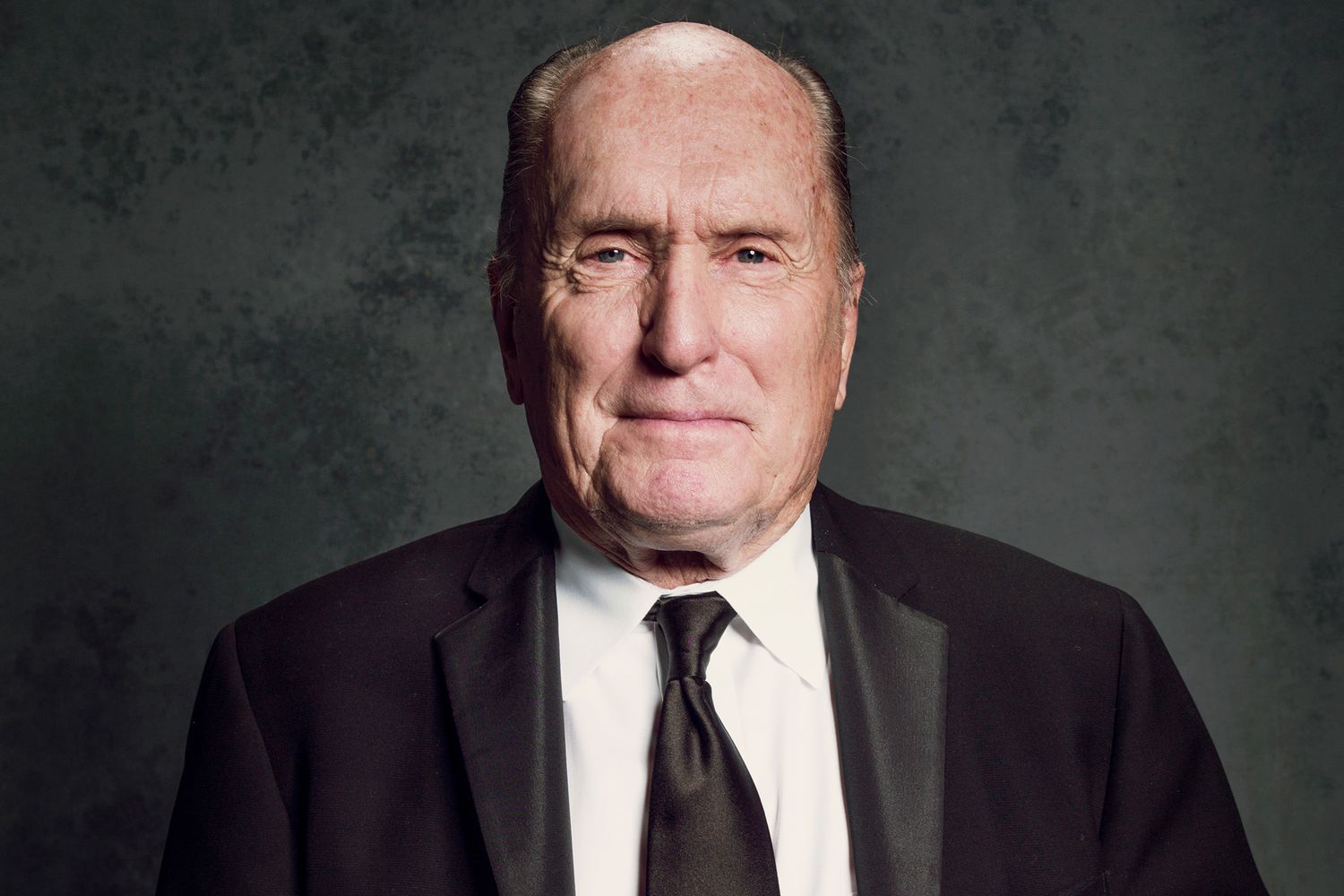
Robert Duvall was born on January 5, 1931, in San Diego, California. His early years were marked by a fascination with storytelling and performance, which eventually led him to pursue a career in acting. Duvall’s family background was rooted in the military; his father served as a U.S. Navy officer, and this disciplined environment influenced his upbringing. Despite the stability provided by his family, Duvall displayed a rebellious streak and a desire to forge his own path.
He attended Coronado High School, where he first engaged with theater arts. Following high school, Duvall enrolled at Harvard University but later transferred to The College of William & Mary in Virginia. His academic pursuits were interrupted by his service in the United States Army during the Korean War, where he served as an artillery officer. This experience added depth and resilience to his character, qualities that would later define his acting style.
Entry into Acting
After completing his military service, Duvall moved to New York City to pursue acting professionally. He studied at the Neighborhood Playhouse School of the Theatre under Sanford Meisner, a renowned acting coach whose techniques would significantly influence Duvall’s craft. His early years in theater involved numerous stage productions, where he honed his skills and gained recognition for his intense performances.
Duvall’s transition from stage to screen was marked by small roles in television series and films during the 196s. His dedication to method acting and authentic portrayals set him apart from many of his contemporaries.
Breakthrough Roles and Career Development
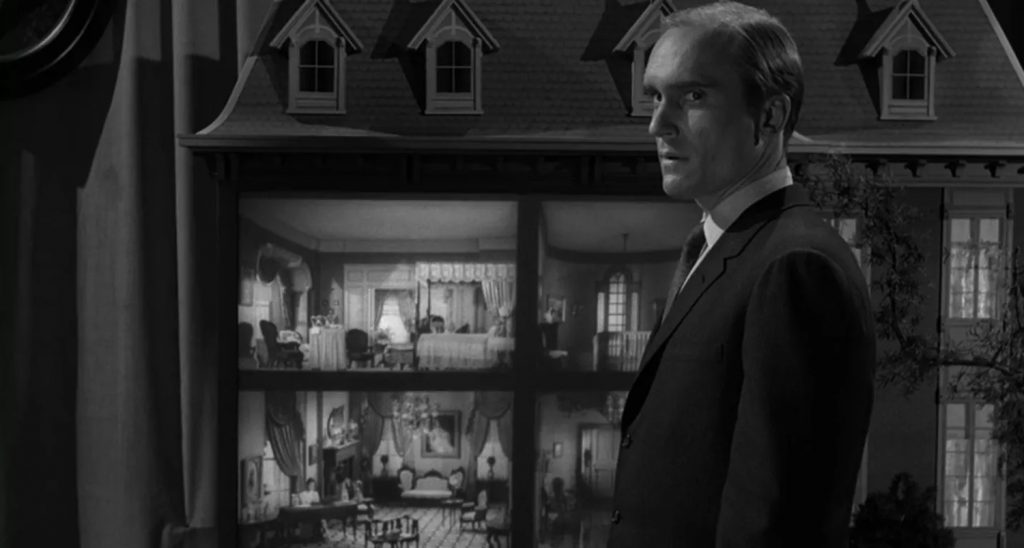
Duvall’s breakthrough came with his role in the film The Godfather (1972), where he portrayed Tom Hagen, the consigliere of the Corleone crime family. His performance was critically acclaimed and established him as a serious actor capable of delivering nuanced performances in complex roles.
Following this success, Duvall continued to build an impressive filmography that showcased his versatility. He starred in The Conversation (1974), directed by Francis Ford Coppola, earning widespread praise for his portrayal of Harry Caul, a surveillance expert haunted by ethical dilemmas. His role in Network (1976) as Max Schumacher further cemented his reputation as an actor capable of embodying layered characters.
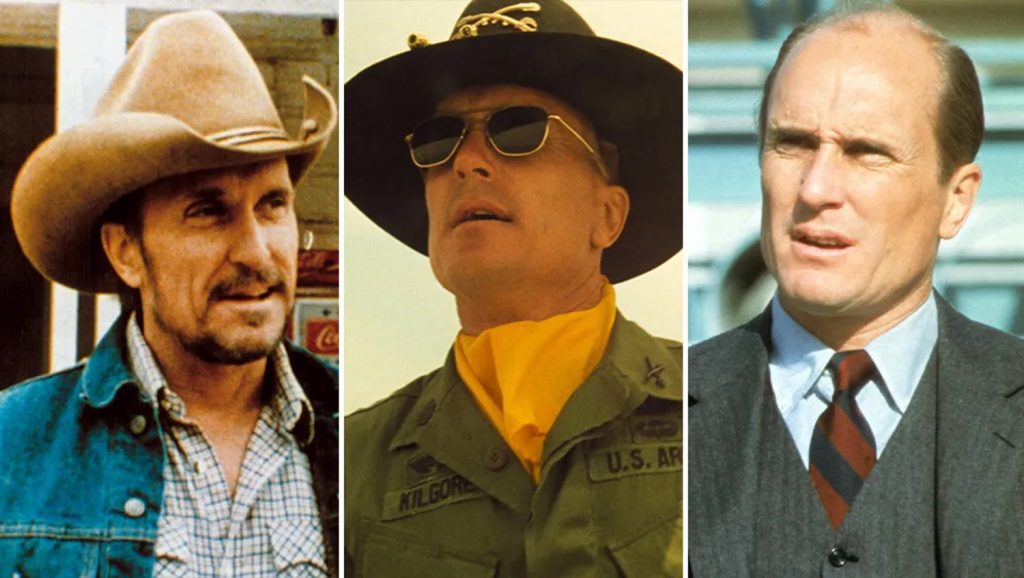
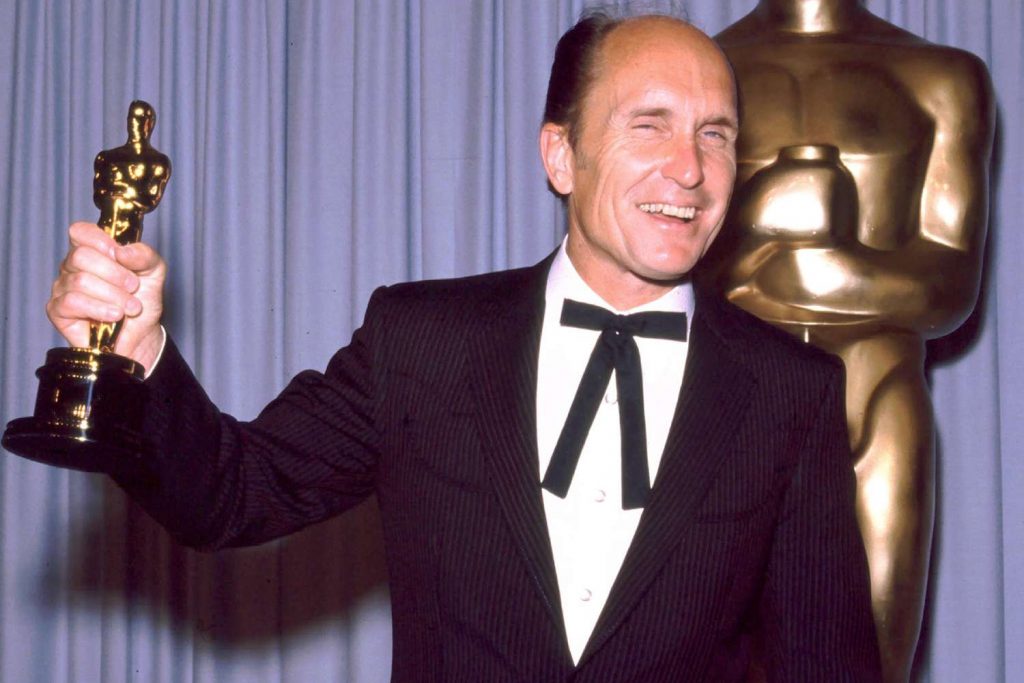
Throughout the late 197s and 198s, Duvall appeared in notable films such as Apocalypse Now (1979), where he played Lieutenant Colonel Bill Kilgore; The Great Santini (1979), portraying Marine pilot Bull Meechum; and Tender Mercies (1983), which earned him an Academy Award for Best Actor for his portrayal of Mac Sledge, a washed-up country singer seeking redemption.
Notable Films and Performances
The Godfather Series
Duvall’s role as Tom Hagen in The Godfather trilogy remains one of his most iconic performances. His portrayal of the calm yet commanding consigliere added depth to the saga’s complex narrative. The character’s loyalty and moral ambiguity resonated with audiences and critics alike.
Apocalypse Now
In Francis Ford Coppola’s epic war film Apocalypse Now, Duvall delivered a memorable performance as Lieutenant Colonel Kilgore, known for the famous line “I love the smell of napalm in the morning.” His portrayal captured the chaos and surrealism of war with authenticity.
Tender Mercies
Duvall’s performance in Tender Mercies is often regarded as one of the finest in American cinema. Playing Mac Sledge, a country singer grappling with personal demons, he brought vulnerability and authenticity that earned him an Oscar for Best Actor.
Other Significant Films
- The Eagle Has Landed (1976): A World War II thriller showcasing Duvall’s ability to handle tense action sequences.
- Rambling Rose (1991): A drama where he played a charismatic drifter; received critical praise.
- Open Range (2003): A Western film demonstrating his command over rugged characters.
- The Judge (2014): A courtroom drama highlighting familial tensions and moral dilemmas.
Television Work
While primarily known for his film career, Duvall also made notable appearances on television. He starred in the miniseries Lonesome Dove (1989), portraying Captain Woodrow F. Call—a role that earned him Emmy nominations. His TV work often reflected themes similar to his films: complex characters facing moral challenges.
Personal Life
Robert Duvall’s personal life was characterized by privacy and introspection. He married actress Gail Youngs in 1964; however, their marriage ended in divorce after several years. In 1996, he married Luciana Pedraza, an Argentine actress and filmmaker who remained a significant part of his life until his passing.
Duvall was known for his dedication to craft and modest lifestyle despite fame. He maintained close relationships with colleagues and was respected for his professionalism on set.
Later Years and Legacy
In the latter part of his career, Duvall continued to deliver compelling performances across various genres. His role in The Judge (2014) demonstrated that he remained an active force within Hollywood well into his eighties.
Throughout his lifetime, Robert Duvall received numerous awards and honors recognizing his contributions to cinema:
- Academy Award for Best Actor (Tender Mercies, 1983)
- Four Golden Globe Awards
- Multiple Screen Actors Guild Awards
- Honorary Palme d’Or at Cannes Film Festival
His influence extended beyond acting; he inspired generations of performers with his commitment to authenticity and integrity.
Death and Posthumous Recognition
Robert Duvall passed away peacefully on February 15th, 2026, at the age of 95. His death marked the end of an era characterized by profound artistry and dedication to storytelling. Tributes poured in from colleagues worldwide who celebrated his legacy as one of America’s greatest actors.
Posthumously, several institutions honored him through retrospectives and awards recognizing lifetime achievement. His films continue to be studied for their depth and craftsmanship—testaments to a career built on passion, discipline, and exceptional talent.
Conclusion
The life and career of Robert Duvall exemplify artistic excellence rooted in unwavering dedication to craft. From humble beginnings to international acclaim, he left an indelible mark on cinema history through memorable performances across diverse genres. His legacy endures not only through his films but also through the inspiration he provides to aspiring actors worldwide—a true testament to a life devoted to storytelling excellence.